
Subprime Loan Guide: Navigate Lending in 2026
Facing a subprime loan decision in 2026? You are not alone. Millions of Americans are preparing to navigate higher interest rates and stricter lending rules this year.
This guide is designed to help you confidently understand, evaluate, and manage your subprime loan options in a rapidly changing market. You will discover what a subprime loan is, how it works, who qualifies, and the latest trends shaping the lending landscape.
We will walk you through the application process, highlight the risks and benefits, and provide practical strategies for borrowers. Use this guide to make informed choices and take control of your financial future.
Understanding Subprime Loans in 2026
Navigating a subprime loan in 2026 means understanding how these financial products work, who they serve, and how the lending landscape has shifted. Let’s break down the essentials so you can make informed borrowing decisions in today’s market.
What Is a Subprime Loan?
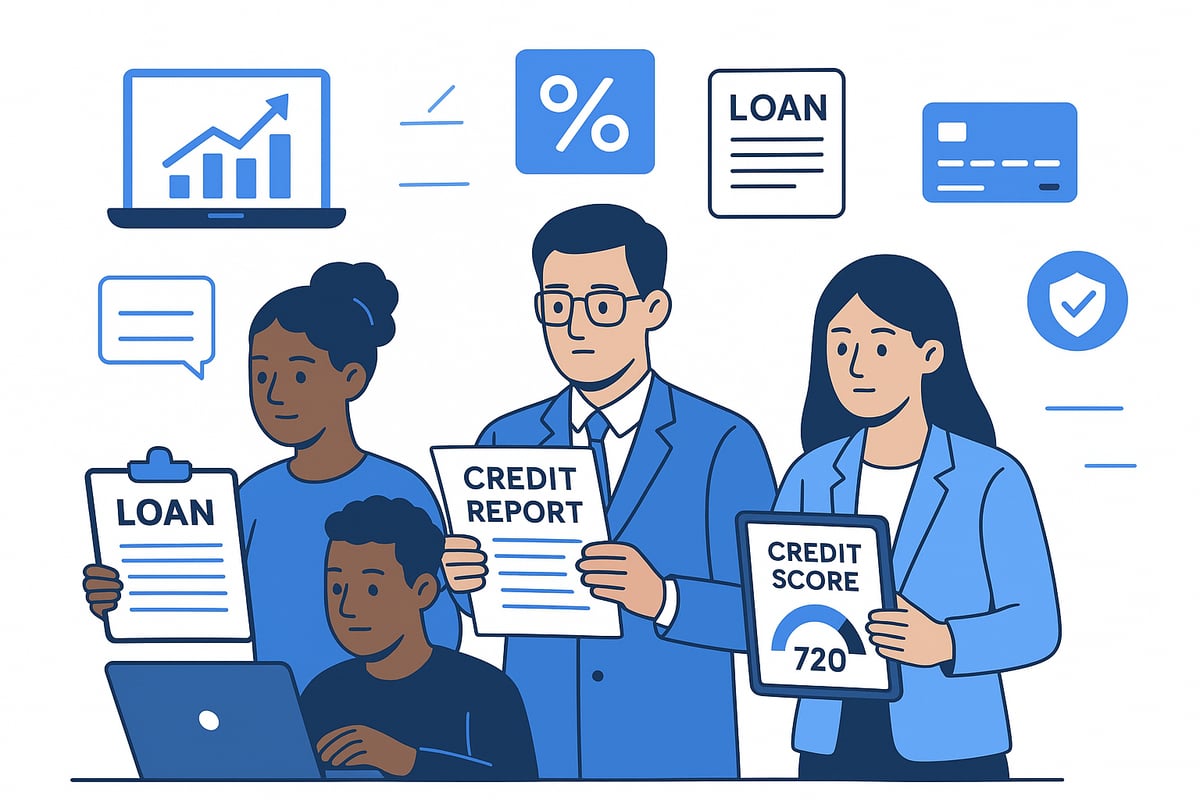
A subprime loan is a credit product designed for borrowers with lower credit scores, typically below 620 according to CFPB and FICO standards. These loans differ from prime loans by offering higher interest rates, stricter terms, and often more fees to offset the lender’s increased risk. Borrowers targeted for subprime loans usually have limited credit histories, past delinquencies, or recent financial setbacks.
Common subprime loan types include personal loans, auto loans, mortgages, and credit cards. For example, a table below compares typical rates and terms for subprime versus prime borrowers:
| Loan Type | Prime Borrower Rate | Subprime Borrower Rate | Typical Term |
|---|---|---|---|
| Auto Loan | 5% | 12% | 60 months |
| Mortgage | 6% | 10% | 30 years |
This comparison highlights the added costs associated with a subprime loan.
How Subprime Lending Has Evolved
Since 2020, the subprime loan market has experienced major changes. Regulatory updates, such as those from the CFPB and Dodd-Frank, have introduced stricter lending guidelines to protect consumers. Technology has also transformed the industry, with online lenders and AI-driven underwriting making approvals faster and more data-driven.
Economic factors like inflation and Federal Reserve policy have influenced access to subprime loans, often making borrowing more expensive. Fintech companies have surged in this space, offering digital-first subprime loan products and streamlining the application process for borrowers facing traditional banking barriers.
Subprime Loan Types in 2026
In 2026, subprime loan options include fixed-rate, adjustable-rate, and interest-only loans. Borrowers may choose between secured subprime loans, which require collateral, and unsecured loans, which do not. Personal, auto, and mortgage subprime loans each have unique requirements.
Typically, subprime auto loans demand higher down payments, shorter terms, and additional fees. For instance, someone with a lower credit score might need a 20% down payment for a subprime auto loan, compared to 10% for a prime borrower.
Who Qualifies for a Subprime Loan?
Qualification for a subprime loan in 2026 often centers on credit scores. Deep subprime borrowers have scores under 580, while standard subprime ranges from 580 to 619. Lenders also consider income, employment stability, and debt-to-income ratio.
Recent credit events like missed payments or bankruptcy can impact eligibility, but lenders may still approve applications if other factors are strong. For example, a borrower with a 600 score, steady job, and manageable debts is more likely to secure a subprime loan than someone with recent defaults or inconsistent income.
Key Statistics and Market Data
Subprime loan approval rates in 2026 have shifted as lenders respond to economic pressures. The average subprime interest rate for auto loans is now around 12%, while mortgages hover near 10%. Over 55 million Americans have subprime credit, a figure that has risen since 2025.
Recent trends reveal increased delinquencies among subprime borrowers. According to Subprime auto loan delinquencies reach record high, more Americans are missing payments, highlighting the financial strain many face. Compared to previous years, both approval rates and risk levels are on the rise.
The Subprime Loan Application Process: Step-by-Step
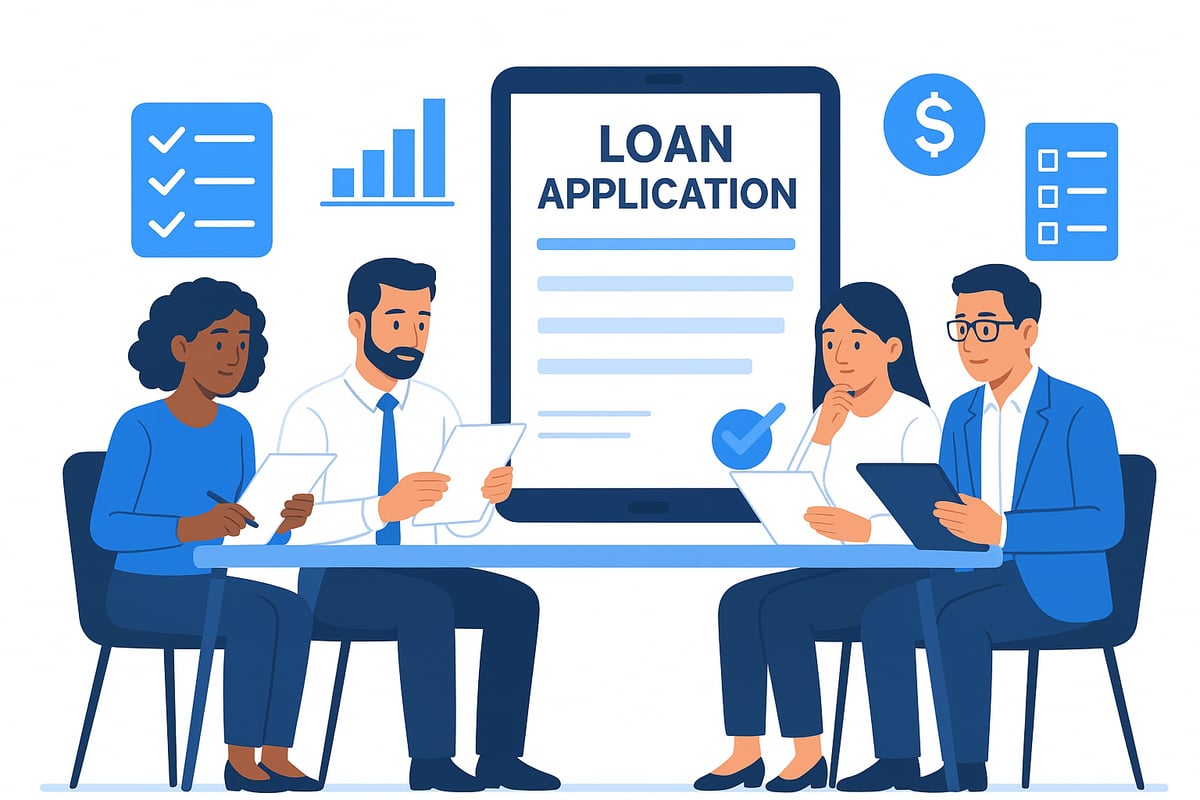
Applying for a subprime loan in 2026 involves several key stages, each designed to help borrowers make informed financial choices. Understanding each step can improve your chances of approval and ensure you secure the most suitable terms for your needs. Let us walk through the process, from reviewing your credit to signing on the dotted line.
Step 1: Assessing Your Credit and Financial Health
Start by checking your credit score and reviewing your credit report for errors or outdated information. Your credit score significantly influences your subprime loan eligibility, so understanding its components is crucial. Use reputable services like Experian or FICO to access your report and monitor your credit activity.
Key factors affecting your score include payment history, credit utilization, and total debts. Tools for regular monitoring help you spot issues early. For a deeper analysis, learning about your debt-to-equity ratio can offer valuable insights into your overall financial health before you apply for a subprime loan.
For example, if your score is below 620 and your debt-to-equity ratio is high, you may face higher interest rates or stricter loan terms.
Step 2: Researching Lenders and Loan Options
Next, explore different types of lenders offering subprime loan products in 2026. Options include traditional banks, credit unions, online platforms, and specialty lenders. Each has unique qualification criteria, fees, and customer service practices.
Compare loan offers carefully. Look at interest rates, origination fees, repayment terms, and lender reputation. Reading independent reviews and ratings can help you spot trustworthy lenders.
For instance, fintech lenders may provide faster approvals and flexible requirements, while banks might offer more robust customer support but stricter guidelines. Always weigh your options to find the best fit for your subprime loan needs.
Step 3: Pre-Qualification and Pre-Approval
Pre-qualification gives you an estimate of the loan amount and terms you might receive, usually without impacting your credit score. This step involves a soft credit inquiry and basic financial information. Pre-approval, on the other hand, is a more formal process that may require a hard inquiry and additional documentation.
Understand that pre-qualification is not a guarantee of final approval, but it helps you narrow down your subprime loan options. Typically, the timeline from pre-qualification to final approval can range from a few days to a couple of weeks, depending on the lender and your financial profile.
For example, a borrower with a recent bankruptcy may face a longer pre-approval process as the lender assesses risk more thoroughly.
Step 4: Submitting Your Application
Once you select a lender, gather required documents such as government ID, proof of income, employment verification, and a list of current debts. In 2026, most subprime loan applications can be completed online, but some lenders still offer in-person services for those who prefer face-to-face assistance.
Lenders evaluate your application based on credit score, income stability, and debt-to-income ratio. Common reasons for rejection include insufficient income, recent delinquencies, or incomplete documentation.
For example, failing to provide up-to-date pay stubs or leaving gaps in your employment history may result in a denied application, even if you otherwise qualify for a subprime loan.
Step 5: Reviewing Offers and Closing the Loan
After approval, carefully review all loan disclosures, focusing on the annual percentage rate (APR), fees, and repayment schedule. Use a comparison table to evaluate multiple subprime loan offers side by side.
| Offer | APR | Origination Fee | Repayment Term | Monthly Payment |
|---|---|---|---|---|
| Lender A | 21% | $250 | 36 months | $225 |
| Lender B | 19% | $300 | 48 months | $190 |
Ensure you read the fine print before signing, watching for clauses related to prepayment penalties or adjustable rates. Once you accept an offer, the lender will finalize the agreement and fund your subprime loan, often within a few business days.
For example, be alert for contract terms that allow the lender to increase your rate after a short introductory period, as this can significantly raise your monthly payments.
Costs, Risks, and Benefits of Subprime Loans
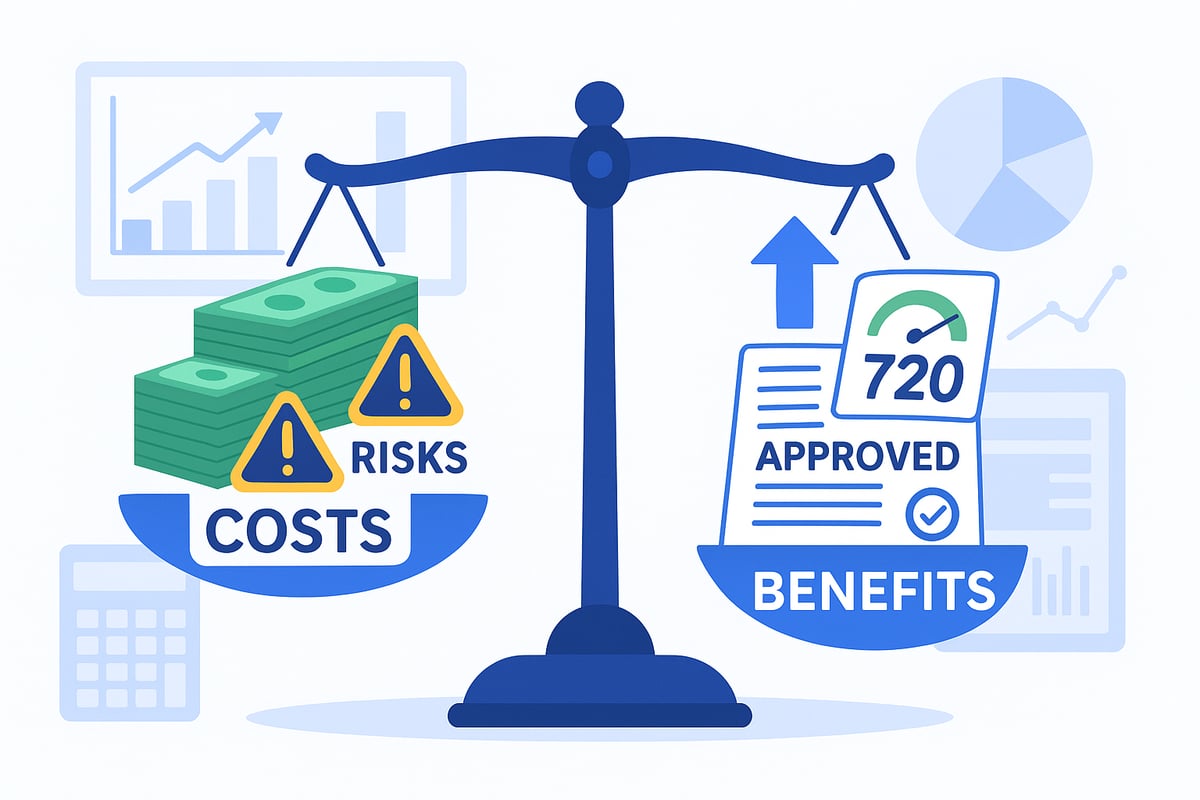
Understanding the costs, risks, and benefits of a subprime loan is essential before making any borrowing decision in 2026. Each aspect has significant implications for your finances, credit health, and future borrowing options. Let us break down what you need to know.
Understanding Subprime Loan Costs
A subprime loan typically comes with higher costs than a prime loan. In 2026, borrowers can expect interest rates significantly above market averages, often ranging from 15% to over 30% depending on loan type and credit profile. Fees such as origination, late payment, and prepayment penalties also add to the total expense.
To help visualize the difference, consider the following table:
| Loan Type | Prime APR | Subprime Loan APR | Common Fees |
|---|---|---|---|
| Personal Loan | 8% | 20%+ | Origination, Late |
| Auto Loan | 5% | 18%+ | Processing, Late |
| Mortgage | 6% | 10%+ | Closing, Points |
For example, a $10,000 subprime loan at 20% APR over five years could cost thousands more in interest than a prime loan at 8%. If you want a deeper dive into these financial impacts, the True cost of subprime credit study offers a comprehensive analysis of how much extra subprime borrowers pay.
Risks Associated with Subprime Borrowing
Every subprime loan carries unique risks. The most significant is the higher chance of default, which can lead to repossession of assets or collections. Missed payments hurt your credit score, making future borrowing more expensive or impossible.
Common risks include:
- Large payment increases if your subprime loan has an adjustable rate.
- Exposure to predatory lending practices, such as hidden fees or aggressive collection tactics.
- Becoming a non-performing borrower if you fall behind, which can damage long-term financial stability.
For example, many subprime loan borrowers experience payment shock when their introductory rate expires, causing monthly payments to jump unexpectedly.
Benefits and Strategic Uses of Subprime Loans
Despite the drawbacks, a subprime loan can offer important benefits for certain borrowers. The main advantage is access to funds when other options are unavailable due to a low credit score or recent financial setbacks.
Strategic uses of a subprime loan include:
- Rebuilding or establishing credit through responsible repayment.
- Consolidating high-interest debts into a single, more manageable payment.
- Gaining flexibility in choosing loan type or repayment schedule.
For example, using a subprime loan to pay off high-interest credit card debt can save money over time, provided you make payments on time.
How Subprime Loans Affect Your Credit
A subprime loan can influence your credit in both positive and negative ways. On the positive side, making consistent, on-time payments may improve your credit score and add to your credit mix. Lenders report your payment activity to credit bureaus, helping to build a stronger credit profile.
However, late payments or defaults on a subprime loan will damage your score. Responsible use is key: over the course of a year, timely payments can boost your score, while a single missed payment can set you back.
For example, borrowers who pay off a subprime loan without missing any payments often see their credit scores rise by 40 points or more within 12 months.
Alternatives to Subprime Loans
Before committing to a subprime loan, consider alternatives that may offer lower costs or risks. Secured loans, which require collateral, often come with better rates. Adding a co-signer with good credit can also help you qualify for better terms.
Other options include:
- Peer-to-peer lending platforms
- Family loans with written agreements
- Credit-builder loans from a local bank or credit union
- Credit counseling services or government assistance programs
For example, if you have a trusted family member willing to co-sign, you may avoid the high rates and fees typical of a subprime loan.
Navigating the 2026 Lending Landscape: Trends and Predictions
The subprime loan market in 2026 is evolving rapidly, driven by economic shifts, technological innovation, and new regulations. Borrowers face a dynamic environment, making it crucial to stay informed about the latest trends and predictions before making financial decisions.
Economic Factors Shaping Subprime Lending in 2026
Economic forces play a major role in shaping the subprime loan landscape this year. Rising inflation has led to higher interest rates across all credit tiers, making borrowing more expensive for everyone. The Federal Reserve's ongoing efforts to control inflation have resulted in stricter lending standards, especially for subprime borrowers.
Regulatory changes have also influenced lender risk tolerance. Updates to Dodd-Frank and new CFPB guidelines require more transparency and responsible lending practices. As a result, qualifying for a subprime loan now often means providing more documentation and meeting tighter criteria. For example, with higher rates, affordability for many subprime loan applicants is a growing concern.
Technology and Innovation in Subprime Lending
Technology is reshaping how borrowers access and manage subprime loan products. AI-powered underwriting allows lenders to assess risk more accurately and quickly, often reducing the time from application to approval. Digital loan marketplaces let consumers compare multiple offers side by side, making it easier to find the best fit.
Open banking and alternative data sources are also gaining traction. Lenders now consider nontraditional data, like utility payments or rental history, when evaluating subprime loan applications. Fintech firms use these innovations to streamline approvals and broaden access. For example, some platforms can pre-qualify borrowers in minutes, using sophisticated algorithms to predict repayment ability.
Consumer Protections and Regulatory Updates
Borrowers in 2026 benefit from a stronger regulatory environment surrounding subprime loan products. Key CFPB and state-level protections have been introduced to guard against predatory lending and ensure fair treatment. New disclosure requirements make it easier for applicants to understand loan terms, fees, and risks before signing.
Recognizing and reporting predatory lending practices is emphasized more than ever. If a subprime loan offer seems too good to be true, borrowers should verify the lender's credentials and consult regulatory resources. For instance, updated regulations now mandate clearer language in loan agreements, helping consumers avoid hidden costs and unfair terms.
Market Predictions: What Borrowers Can Expect
Looking ahead, the subprime loan market is expected to remain active, with demand staying strong as many Americans rebuild credit post-pandemic. However, approval rates may tighten if economic uncertainty continues or if delinquency rates rise. Interest costs are likely to stay elevated, reflecting increased lender caution and risk.
Borrowers should prepare for possible changes in lending standards and higher qualification hurdles. According to Subprime mortgages are on the rise again, the resurgence in subprime mortgage lending is a key trend to watch, signaling renewed lender interest but also increased scrutiny. Staying informed and comparing multiple subprime loan offers will be essential for securing the most favorable terms.
Smart Strategies for Managing a Subprime Loan
Managing a subprime loan in 2026 requires discipline, strategy, and an awareness of the unique challenges these loans present. With the right approach, you can avoid common pitfalls, protect your credit, and even turn a subprime loan into a stepping stone toward better financial health.
Budgeting for Your Subprime Loan
Effective budgeting is the cornerstone of managing a subprime loan. Start by listing all sources of income and fixed expenses, then allocate funds for your loan payments before discretionary spending.
Utilize budgeting apps or spreadsheets to monitor your cash flow. Setting up automatic payments can help prevent missed due dates. A simple budget template can look like this:
| Category | Amount ($) |
|---|---|
| Income | 3,000 |
| Subprime Loan | 350 |
| Rent/Mortgage | 950 |
| Utilities | 200 |
| Groceries | 400 |
| Savings | 150 |
| Other | 950 |
Review and adjust your budget monthly to stay on track with your subprime loan obligations.
Tips for On-Time Repayment and Avoiding Default
Timely payments are crucial for maintaining your financial health with a subprime loan. Set payment reminders using your phone or banking app. Communicate early with your lender if you anticipate a problem making a payment.
Missing payments can quickly lead to your loan being classified as a non-performing loan, which severely impacts your credit. Common steps to avoid default include:
- Setting up autopay
- Keeping an emergency fund
- Monitoring your account for errors
Recent reports highlight that subprime credit delinquencies increased in June 2025, underscoring the importance of consistent repayment.
Refinancing and Upgrading to Better Loan Terms
As your credit improves through responsible subprime loan management, explore refinancing options. Refinancing can reduce your interest rate, lower monthly payments, or shorten your loan term.
Check your credit score regularly and compare offers from multiple lenders. Qualifying for a prime loan may be possible within 12–24 months of on-time payments.
Consider debt consolidation if you have multiple loans, but always review the total cost and terms before committing to a new subprime loan or refinancing arrangement.
Avoiding Predatory Lenders and Scams
Predatory lenders often target subprime loan borrowers with inflated fees or deceptive terms. Warning signs include:
- Guarantees of approval regardless of credit
- Pressure to sign quickly
- Requests for upfront fees
Verify lender credentials through state regulatory agencies. Research reviews and ask questions if any terms are unclear. If you suspect a scam, report it to the CFPB or your state’s attorney general before agreeing to a subprime loan.
Rebuilding Credit After a Subprime Loan
Successfully repaying a subprime loan can help rebuild your credit. Check your credit reports for accuracy and dispute any errors.
Use new credit products sparingly and pay balances in full each month. Responsible subprime loan management can lead to a higher credit score in as little as six to twelve months.
A borrower who paid off a subprime loan on schedule saw their credit score rise by over 50 points within a year, showing the positive impact of disciplined repayment.
When to Seek Professional Financial Help
If your subprime loan payments become unmanageable, seek help early. Signs you may need assistance include:
- Missing multiple payments
- Using credit for essentials
- Receiving collection notices
Nonprofit credit counselors or government programs can help you create a plan. Financial advisors offer guidance tailored to subprime loan borrowers, ensuring you do not face financial challenges alone.
Frequently Asked Questions About Subprime Loans in 2026
Navigating the subprime loan market in 2026 can raise many questions for borrowers. Below are the most common concerns, addressed with clarity and up-to-date information.
What credit score is considered subprime in 2026?
A subprime loan is typically offered to borrowers with a FICO score below 620, according to the latest CFPB guidelines. Lenders use credit scoring models that weigh payment history, debt levels, and recent credit activity.
If your score falls within the subprime range, expect higher rates and stricter terms compared to prime borrowers. Monitoring your credit regularly helps you understand where you stand.
Are subprime loans only for personal borrowing?
No, a subprime loan can be used for various purposes, not just personal borrowing. Common types include auto loans, mortgages, credit cards, and personal loans.
Each type comes with its own risks and terms. For instance, subprime auto loans often require higher down payments, while subprime mortgages may include adjustable rates or balloon payments.
How do I know if a subprime loan offer is legitimate?
Legitimate subprime loan offers come from licensed lenders who provide clear disclosures and fair terms. Watch for red flags such as requests for upfront fees, pressure to sign quickly, or vague loan details.
Always verify the lender’s credentials and check for reviews. The What is an underwriter? process is also key, as reputable lenders have qualified underwriters who evaluate your application thoroughly.
Can subprime loans help improve my credit?
Yes, responsible use of a subprime loan can help build or repair your credit history. Making consistent, on-time payments is reported to credit bureaus, which can raise your score over time.
However, missed payments or defaults will hurt your credit. Track your progress and set reminders to maintain a positive payment record.
What happens if I default on a subprime loan?
Defaulting on a subprime loan can have serious consequences. Lenders may repossess collateral (like a car), send your debt to collections, and report negative marks to credit bureaus.
This can lower your credit score and make future borrowing more difficult. If you’re struggling, contact your lender early to discuss hardship options or payment plans.
How can I get the best possible subprime loan rates?
To secure better subprime loan rates, start by improving your credit score before applying. Pay down existing debts, correct errors on your credit report, and avoid new hard inquiries.
Compare offers from multiple lenders and negotiate terms where possible. Being informed and proactive increases your chances of finding favorable rates.
Are there new rules or protections for subprime borrowers in 2026?
Yes, 2026 has brought several regulatory updates designed to protect subprime loan borrowers. The CFPB has introduced enhanced disclosure requirements and stricter oversight of lender practices.
These rules aim to prevent predatory lending and ensure transparency. Always review your rights and consult official resources if you suspect unfair treatment.
As you navigate the complexities of subprime lending in 2026, remember that understanding the bigger picture is key to making smart financial decisions. We’ve explored the challenges, opportunities, and strategies that can help you confidently assess your options and avoid common pitfalls. If you’re eager to dig deeper into how past market shifts shape today’s lending landscape—and want tools that bring historical context to your financial journey—I invite you to Join Our Beta and experience a new way to make sense of the markets. Together, let’s turn history into your financial advantage.