
Purchasing Power Guide: Understanding Value in 2026
In 2026, as the global economy evolves and prices shift unpredictably, many people feel uncertain about the real worth of their money. This confusion is common when exchange rates fluctuate and daily expenses rise.
This guide explores purchasing power, offering clear insights to help you understand how much your money can truly buy. We will break down the concept, show how it is measured, examine the effects of inflation and world events, and provide practical steps to protect your wealth.
Mastering purchasing power empowers you to spend, save, and invest more wisely. Follow along for actionable strategies and examples that can make a difference in your financial journey.
What Is Purchasing Power? Foundations and Key Concepts
Purchasing power is a simple yet powerful concept in economics. It describes the amount of goods and services that a single unit of currency can buy at a given time. In daily life, purchasing power helps you understand what your money is truly worth, especially as prices shift and economies evolve.
At its core, purchasing power reflects the real value of money. For example, if a loaf of bread costs $2 today but rises to $3 next year, your dollar loses purchasing power. This reality makes it essential to track how much your income can actually buy, not just the number on your paycheck.
Historical Roots: From Precious Metals to Modern Money
The idea of purchasing power has shaped economies for centuries. Early societies trusted gold and silver as money because these metals held value over time. The gold standard, popular in the 19th and early 20th centuries, tied currencies directly to a fixed amount of gold. This system aimed to preserve purchasing power by limiting how much money governments could print.
Today, most countries use fiat currencies. These are not backed by precious metals but by government trust. This shift allows more flexibility but also means purchasing power can change quickly due to inflation or policy changes.
The Role of Income and Prices
Your personal purchasing power depends on two factors: how much you earn and how much things cost. If your income stays the same while prices rise, you can buy less. This is why inflation—a general increase in prices—can quietly erode the value of your money over time.
Economists use price indices, like the Consumer Price Index (CPI), to measure changes in purchasing power. The CPI tracks the prices of a typical basket of goods, helping you compare what your money could buy in different years.
Example: The Dollar Over Time
Imagine you had $100 in 2020. By 2026, if overall prices rise by 20%, that same $100 only buys $80 worth of goods compared to before. This drop highlights how inflation chips away at purchasing power, even if the number of dollars in your wallet does not change.
Adam Smith’s Perspective: Labor as Value
Adam Smith, a foundational thinker in economics, argued that labor is the true source of value. In his view, purchasing power is best measured by how much labor your money can command. If wages stagnate but prices rise, your purchasing power falls, making it harder to afford the same lifestyle.
Nominal vs. Real Value: Face Value Isn’t Everything
It is important to distinguish between nominal value and real value. The nominal value is the amount written on a bill or coin, but real value considers what that money can actually buy. For a deeper explanation, see Understanding face value vs. real value.
This difference matters because a $50 bill from 1990 could buy much more than $50 does today. Always look beyond the face value to assess true purchasing power.
Comparing Economies: Developed vs. Developing Countries
Purchasing power varies widely between countries. In developed economies, incomes are generally higher, but so are prices. In developing countries, goods may cost less, but incomes are often lower. Economists use purchasing power parity (PPP) to compare living standards by adjusting for these differences.
A table can help illustrate:
| Country Type | Average Income | Average Price Level | Purchasing Power Example |
|---|---|---|---|
| Developed (e.g., US) | High | High | $100 buys dinner for 2 |
| Developing (e.g., IN) | Low | Low | $100 covers groceries for a week |
The Psychology of Value
Purchasing power is not just about numbers. How people feel about their money matters too. If consumers believe their money is losing value, they may spend faster or change their habits. Perceived purchasing power can influence everything from saving rates to voting patterns.
Understanding purchasing power is key to making informed decisions about spending, saving, and investing. By looking past the surface and considering historical context, price indices, and real-world examples, you can better navigate the economic landscape of 2026.

Measuring Purchasing Power: Methods, Data, and Tools
Understanding how purchasing power is measured is essential for making sense of global economies and your own wallet. Multiple methods, indices, and sources come together to give a clear picture of what your money can buy in different places and times.

Comparing Currencies: Market Exchange Rates vs. Purchasing Power Parity (PPP)
When comparing purchasing power across countries, two main tools come into play: market exchange rates and Purchasing Power Parity (PPP). Market exchange rates show how much one currency can be exchanged for another in global markets, changing daily due to supply and demand, financial flows, and economic news.
However, these rates do not always reflect the true purchasing power of a currency in its home country. That is where PPP steps in. PPP compares the cost of a standard basket of goods between countries, giving a more realistic view of what people can actually buy with their money.
A classic example is the Big Mac Index, which uses the price of a McDonald's Big Mac in different countries to illustrate differences in purchasing power. For instance, if a Big Mac costs $5 in the US and $2.50 in India, the PPP exchange rate would be 2:1, regardless of what the market exchange rate says.
Here is a summary table:
| Method | What It Measures | Use Cases |
|---|---|---|
| Market Exchange Rate | Currency value in global markets | Trading, investments |
| PPP | Relative cost of goods in different countries | Cost-of-living, GDP |
Organizations like the IMF and World Bank often use PPP to compare global GDP and living standards. Both methods have strengths and weaknesses, but PPP is generally better for understanding the real purchasing power of individuals in different economies.
The Role of Price Indices and Inflation Calculators
Price indices track how prices change over time, directly affecting purchasing power. The Consumer Price Index (CPI) measures changes in the price of a basket of goods and services that households typically buy. The Producer Price Index (PPI) tracks prices at the wholesale level, giving early signals of inflation trends.
To compare purchasing power over decades, inflation calculators and formulas are key. A common method is the 100/P formula, where "P" is the price index:
Adjusted Value = Original Value × (Current Index / Base Index)
Online tools, such as MeasuringWorth.com, help users convert historical prices into today’s values, making it easier to see how purchasing power changes over time.
Choosing a base year is important, as it anchors all calculations to a specific point. However, indices have limitations. They might not capture regional price differences or shifts in consumer preferences.
For example, while CPI offers a national average, local costs can vary widely, impacting actual purchasing power in different cities or rural areas.
Data Sources and International Comparisons
Reliable data is crucial for measuring purchasing power on a global scale. The International Comparisons Program (ICP) conducts extensive price surveys, covering up to 147 countries and over 1,000 products in recent years. This data forms the backbone for cross-country comparisons.
Global organizations such as the IMF, World Bank, and OECD use this information to publish economic reports and forecasts. Consistency in data collection is vital, yet it poses challenges. Differences in product quality, availability, and local market practices can complicate direct comparisons.
For those wanting to explore the numbers themselves, the IMF World Economic Outlook database offers comprehensive data on purchasing power parity and related indicators.
If you wish to interpret purchasing power data correctly, consider these tips:
- Always check the base year and country definitions.
- Look for context on local prices and wages.
- Use multiple sources for a broader perspective.
By combining these methods, indices, and data sources, you gain a deeper understanding of purchasing power and how it shapes economic realities worldwide.
The Impact of Inflation, Deflation, and Economic Events on Purchasing Power
Understanding the impact of inflation, deflation, and economic events on purchasing power is essential for anyone managing finances in 2026. From shifting prices to global disruptions, these forces shape how far your money goes and affect everyday decisions.
How Inflation Erodes Value
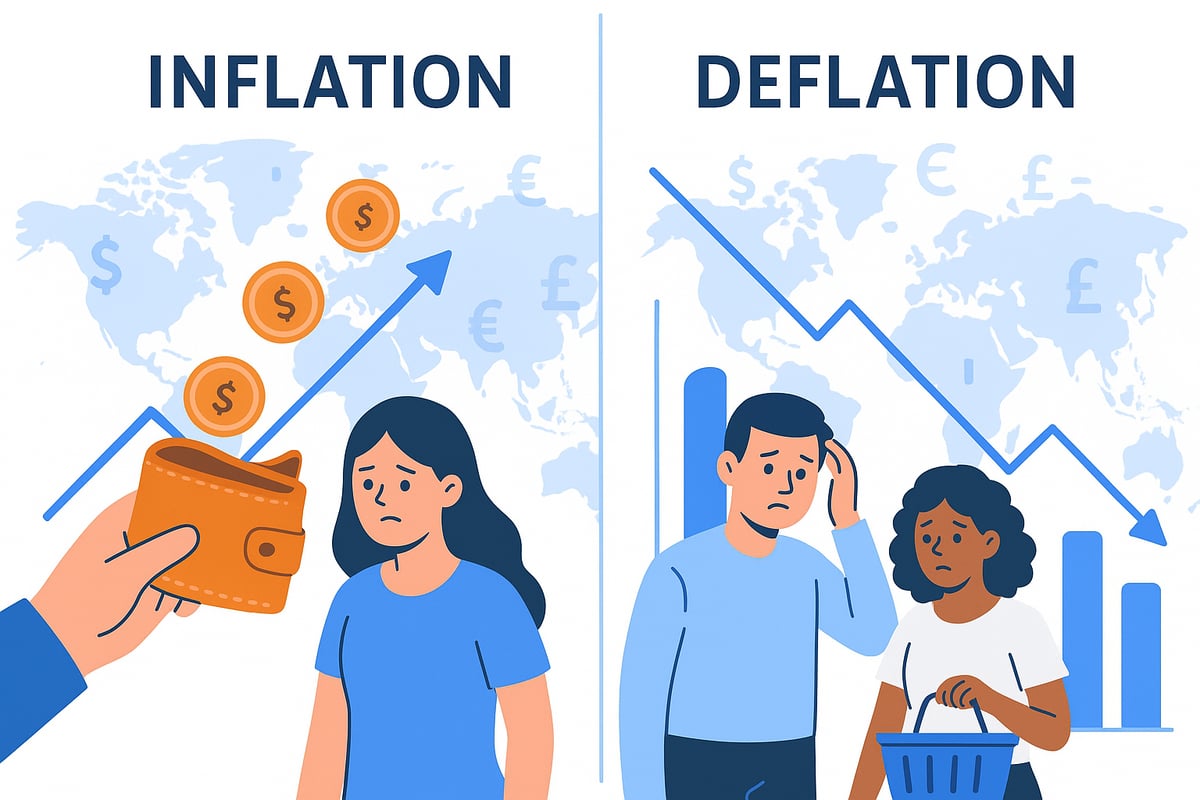
Inflation is the general increase in prices over time, and it directly reduces purchasing power. When the cost of goods and services rises while income remains the same, each unit of currency buys less. Imagine a loaf of bread that cost $2 in 2020 but $2.50 in 2026. Your dollar now stretches less than before.
The effect of inflation on purchasing power becomes even more pronounced during periods of rapid price increases, such as hyperinflation. In these scenarios, savings lose value quickly, and day-to-day expenses can become unpredictable. Stagflation, where inflation persists alongside stagnant economic growth, poses unique challenges for consumers and policymakers. For more on this, see How stagflation affects value.
Globally, average inflation rates have fluctuated over the past decade, often outpacing wage growth. When income does not keep up, real purchasing power declines. This scenario forces families to make difficult choices about spending and saving.
Strategies to cope with inflation:
- Track expenses closely and adjust budgets regularly.
- Prioritize essential purchases.
- Seek investments that can outpace inflation.
Understanding how inflation interacts with purchasing power can help you plan for both short-term needs and long-term security.
Deflation and Its Effects
Deflation is the opposite of inflation: a sustained decrease in the general price level of goods and services. At first glance, falling prices might seem beneficial since your purchasing power can increase, allowing you to buy more with the same amount of money.
However, persistent deflation brings serious risks. When prices fall, consumers may delay purchases, expecting even lower prices in the future. This behavior can slow economic growth and lead to higher unemployment. Businesses may struggle to remain profitable, and wages can stagnate or decline, reducing overall purchasing power.
Historical examples, such as Japan's "Lost Decade," show how long-term deflation can cause economic stagnation. In such environments, debt becomes harder to repay, as the real value owed increases over time, while savings may appear to grow but opportunities for investment shrink.
Key effects of deflation on purchasing power include:
- Increased real value of debt.
- Reduced incentive to spend or invest.
- Potential for prolonged economic downturn.
While occasional deflation can offer short-term relief, sustained deflation is often a warning sign of deeper economic trouble that can erode purchasing power over time.
Global Events and Purchasing Power
Global events can dramatically reshape purchasing power, sometimes overnight. Currency crises, such as those seen in Turkey or Argentina, can lead to rapid devaluation and soaring import prices. In these situations, local purchasing power falls sharply, making daily essentials more expensive.
Supply chain disruptions from events like the COVID-19 pandemic or regional conflicts can push up prices for food, energy, and other necessities. Commodity price swings, especially in oil and agricultural products, ripple through global markets and affect purchasing power across borders.
Governments often respond with stimulus measures, subsidies, or monetary policy shifts. These interventions can stabilize markets but sometimes create new challenges for purchasing power. For example, the energy price spikes of 2022–2025 forced households worldwide to adjust budgets and reconsider spending priorities.
Regional variations are significant. While one country may experience stable prices, another might face sudden inflation due to local events. Understanding these dynamics is crucial for individuals and businesses aiming to preserve purchasing power in a volatile world.
In summary, monitoring global trends and preparing for uncertainty can help you safeguard your purchasing power, no matter where you live or work.
Purchasing Power in 2026: Trends, Forecasts, and Regional Differences
Understanding purchasing power in 2026 requires a close look at both worldwide trends and local realities. As economic forces shift, the value of your money can change rapidly, shaping how much you can buy and how far your income will stretch.
This section explores the key trends, regional differences, and future outlook for purchasing power in the year ahead.
Major Global Trends Affecting Purchasing Power
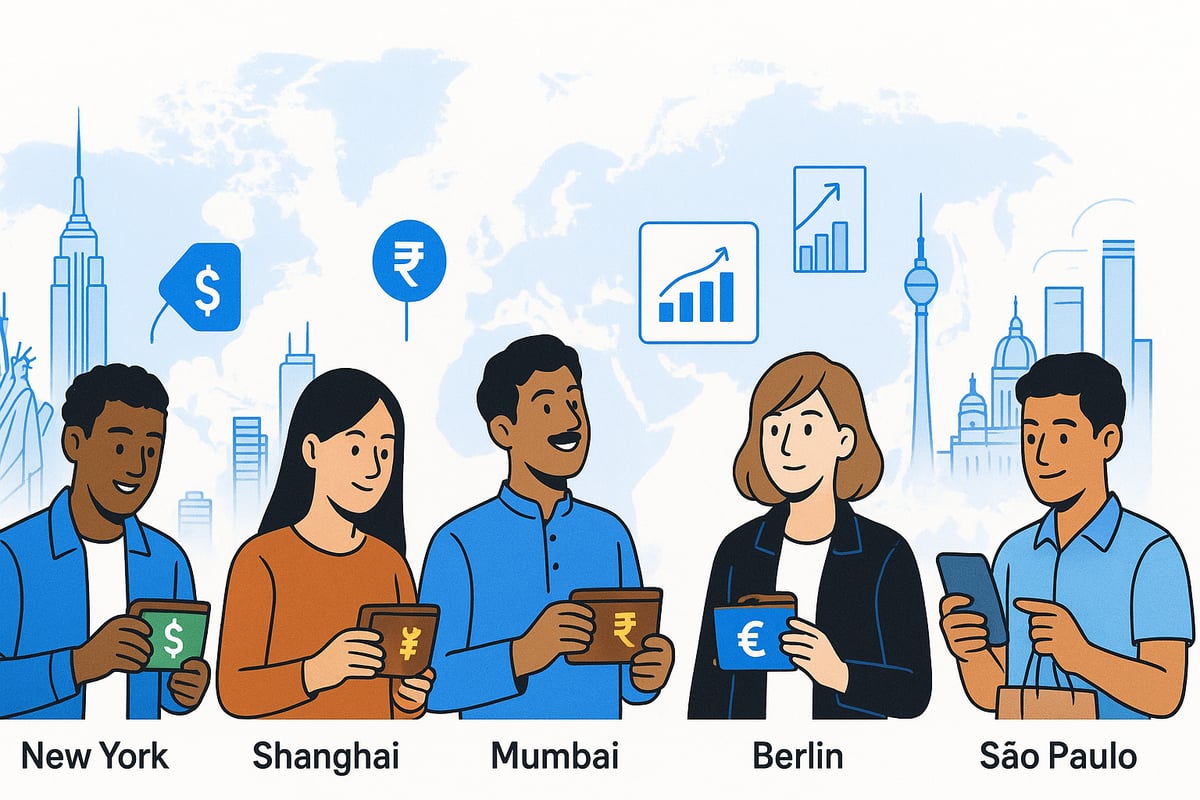
Several global forces are shaping purchasing power in 2026. The shift of economic power toward countries like China and India is influencing global markets and altering demand for goods and services. As these economies grow, their impact on worldwide pricing becomes more pronounced.
Technological advancements such as automation and artificial intelligence are transforming how people work and what they earn. In many sectors, automation is increasing productivity, which can lead to lower prices for some products. However, it can also suppress wage growth in certain industries, affecting purchasing power for some workers.
Climate change and resource scarcity are also having a significant effect. Rising costs for food, housing, and energy are common in regions facing extreme weather or supply constraints. These factors put pressure on household budgets and can erode purchasing power over time.
Digital currencies and fintech innovations are changing how money is used and transferred. Central bank digital currencies and stablecoins may lead to new forms of pricing and value, potentially increasing transparency but also introducing volatility.
Post-pandemic recovery continues to influence global supply chains and demand patterns. While some economies are rebounding, others face lingering disruptions, which can cause prices to fluctuate and purchasing power to vary widely between regions.
Regional Snapshots: Where Your Money Goes Further
Purchasing power is not the same everywhere. In 2026, the cost of living and average incomes differ dramatically between countries and even within regions. High cost-of-living countries like Switzerland and Norway often see higher wages, but prices for everyday goods are much steeper. Conversely, countries such as India and Vietnam offer lower prices, allowing money to stretch further, even if incomes are lower.
The following table compares PPP-adjusted GDP per capita for selected regions:
| Region | PPP-Adjusted GDP per Capita (USD) | Cost of Living Index |
|---|---|---|
| United States | $75,000 | 100 |
| European Union | $56,000 | 90 |
| China | $28,000 | 55 |
| India | $10,000 | 35 |
| Latin America | $18,000 | 40 |
Urban areas typically have higher prices than rural zones, but wages are often higher as well. In many developing economies, purchasing power can be stronger for basic needs, but weaker for imported or luxury goods.
Factors such as local wage levels, regional price differences, and economic policies all contribute to these disparities. Understanding these variations helps individuals and businesses make more informed financial decisions and plan for travel, investment, or relocation.
Forecasts and Future Outlook
Looking ahead, experts predict that purchasing power will continue to be shaped by inflation, interest rates, and global trade dynamics. Central banks are monitoring inflation closely, as even small increases can reduce what your money buys.
Key indicators to watch include wage growth, commodity prices, and international trade flows. Geopolitical tensions and supply shocks remain risks that could impact purchasing power in both developed and emerging markets.
Opportunities exist in sectors expected to see growth, such as green energy, technology, and healthcare. Regions with stable currencies and strong economic fundamentals may offer better prospects for maintaining or increasing purchasing power.
According to global economic growth projections for 2026, policy headwinds and slowdowns are possible, making it crucial for individuals and businesses to stay informed and adapt strategies accordingly.
By focusing on these trends and preparing for possible risks, you can better protect your purchasing power and make smarter financial choices in 2026.
Practical Strategies to Protect and Grow Your Purchasing Power
Protecting your purchasing power in 2026 requires more than simply reacting to rising prices. It demands a proactive approach to spending, investing, and growing your income in a world where inflation and global disruptions are the norm. Let us break down actionable strategies to help you safeguard and enhance your purchasing power for the years ahead.
Smart Spending and Budgeting in an Inflationary World
Smart spending is the foundation of maintaining your purchasing power. Begin by distinguishing your needs from wants and focus on prioritizing essential expenses. Regularly review your budget and adapt your habits as prices change. Leveraging technology, such as budgeting apps and price tracking tools, can help you monitor real-time prices and spot savings opportunities.
Consider buying in bulk or pooling resources with friends and family. Group purchasing can unlock discounts and increase your overall value. Be alert to "lifestyle inflation," which occurs when spending rises with income, eroding your purchasing power over time.
Understanding how businesses set prices is also important. By learning about profit margin and purchasing decisions, you can recognize when a price increase is due to rising costs or simply higher markups. This insight empowers you to make informed choices and negotiate better deals.
Finally, do not forget to negotiate your salary or contract terms with inflation in mind. Regularly reassessing your financial plan ensures your purchasing power keeps pace with economic changes.
Investing to Outpace Inflation
Investing is a critical tool for preserving and growing your purchasing power. Historically, assets such as stocks, real estate, and commodities have provided returns that outpace inflation over the long term. Diversifying your investments across different asset classes can help manage risk and smooth out volatility in uncertain markets.
Inflation-protected securities, like Treasury Inflation-Protected Securities (TIPS), offer a safeguard by adjusting their value in line with inflation rates. Reviewing the performance of various asset classes from 2020 to 2025 reveals how some investments, especially equities and real assets, have managed to maintain purchasing power even as prices rise.
Long-term planning is essential. Rather than reacting to short-term market swings, set clear investment goals and revisit your strategy regularly. Remember that investing for purchasing power is not about chasing the highest returns, but about ensuring your money retains its real-world value over time.
Stay informed about inflation forecasts and economic trends to make timely adjustments to your portfolio. This vigilance will help you keep your purchasing power intact as economic conditions evolve.
Income Growth and Skill Development
Growing your income is another direct way to strengthen your purchasing power. The job market in 2026 is shaped by rapid technological change, making upskilling and reskilling crucial for staying competitive. Focus on acquiring new skills that are in demand, particularly in sectors where wages are rising.
Consider supplementing your primary income with side hustles or gig work. The flexibility of the gig economy can provide valuable extra earnings and buffer your purchasing power against inflation. Negotiating raises or promotions is also key, especially as living costs fluctuate.
There is a strong link between education, productivity, and purchasing power. Investing in your education can pay dividends for years, increasing both your earning potential and your ability to adapt to new opportunities.
By combining smart spending, strategic investing, and continuous skill development, you can protect and grow your purchasing power in a dynamic global economy.
Common Myths and Misconceptions About Purchasing Power
Understanding purchasing power requires untangling several widespread myths. Many assume inflation is always harmful, but moderate inflation can signal a healthy, growing economy. In fact, central banks often target a small amount of inflation to encourage spending and investment. On the other hand, a strong currency is not a guarantee of high purchasing power. A currency can appreciate due to factors like global demand or speculation, while domestic prices continue to rise, eroding what your money can buy locally.
Myths vs. Facts Table
| Myth | Fact |
|---|---|
| All inflation is bad | Moderate inflation often supports stable economic growth |
| Strong currency = high purchasing power | Not always, as local prices may still rise |
| Price indices reflect everyone equally | Indices are averages, not individual experiences |
| Government policy alone controls purchasing power | Many factors, including global markets, also play a role |
Another misconception is that price indices like the CPI reflect the experience of every consumer. In reality, these indices are averages that may not account for regional or lifestyle differences. For example, urban and rural households can experience price changes very differently. Similarly, people may confuse market exchange rates with purchasing power parity (PPP). Market rates show how much foreign currency you get, but PPP compares what your money can buy in real terms across countries.
Some believe purchasing power is entirely dictated by government policy. While policies such as price ceilings can influence affordability, global supply chains, commodity markets, and consumer sentiment all impact purchasing power. Historical comparisons can also be misleading. Comparing the value of money across decades requires adjusting for inflation, changes in product quality, and shifts in household needs. Using simple face value ignores these essential factors.
A classic example is the Big Mac Index, which illustrates why a burger costs more in one country than another. This difference is not just about currency conversion, but also local wages, rents, and taxes. In 2026, U.S. consumers may notice that even with a stable dollar, U.S. inflation trends and forecasts show persistent price increases for essentials, affecting purchasing power regardless of headline exchange rates.
Resources for Tracking and Comparing Purchasing Power
Understanding where to find reliable data is essential for anyone who wants to make informed decisions about purchasing power. In 2026, access to accurate tools and resources can help you analyze trends, compare currencies, and plan for the future with confidence.
Popular Resources for Purchasing Power Analysis
| Resource Type | Example/Description |
|---|---|
| Online Calculators | MeasuringWorth.com, Wolfram Demonstrations Project |
| Official Economic Outlooks | IMF, World Bank, OECD reports |
| Price Index Databases | Consumer Price Index (CPI), Producer Price Index (PPI) |
| Books & Guides | Economic textbooks, financial planning articles |
These resources allow you to track changes in purchasing power over time and across regions. For example, online calculators help compare the value of money from different years, while price index databases provide up-to-date inflation data.
Tips for Using Purchasing Power Tools:
- Check the base year and methodology of each index.
- Use multiple sources for a well-rounded view.
- Stay updated on global trends through official outlooks.
- For those interested in the U.S. specifically, the U.S. economic growth outlook for 2026 offers valuable insights into factors shaping future purchasing power.
By leveraging these resources, you can make better financial choices and respond proactively to changes in purchasing power.
As you’ve seen, understanding purchasing power isn’t just about tracking numbers—it’s about uncovering the real stories behind your money and making smarter choices for the future. If you’re eager to explore how history shapes financial markets, spot patterns, and gain deeper context for the trends affecting your wallet in 2026, I invite you to get involved with our innovative platform. Let’s bring the past into focus together so you can make more informed decisions today.
Join Our Beta