
Market Risk Guide: Strategies and Insights for 2026
Global markets are more volatile and unpredictable than ever, challenging even the most seasoned investors. As economic shifts and rapid technological change accelerate, robust risk management has become essential for both institutions and individuals. This comprehensive guide demystifies market risk, providing expert-backed strategies and actionable insights for 2026. You'll discover clear definitions, the main types of risk, advanced measurement techniques, and proven mitigation strategies. Ready to make informed, resilient investment decisions? Start here and equip yourself to navigate uncertainty with confidence.
Understanding Market Risk in 2026
In 2026, market risk stands as a central concern for investors and financial professionals worldwide. Unlike risks tied to individual entities, market risk refers to the systematic exposure that impacts entire markets. It is distinct from credit, operational, or liquidity risk, which typically affect specific companies or sectors.
As global markets become increasingly interconnected, events in one region can swiftly influence asset prices across the world. Advances in technology, rapid information flow, and the expansion of international trade have all contributed to the amplification of market risk. The Efficient Market Hypothesis overview provides foundational insights into how market risk is priced and anticipated in modern financial systems. Understanding these dynamics is essential for navigating today’s volatile environment.
Defining Market Risk in a Modern Context
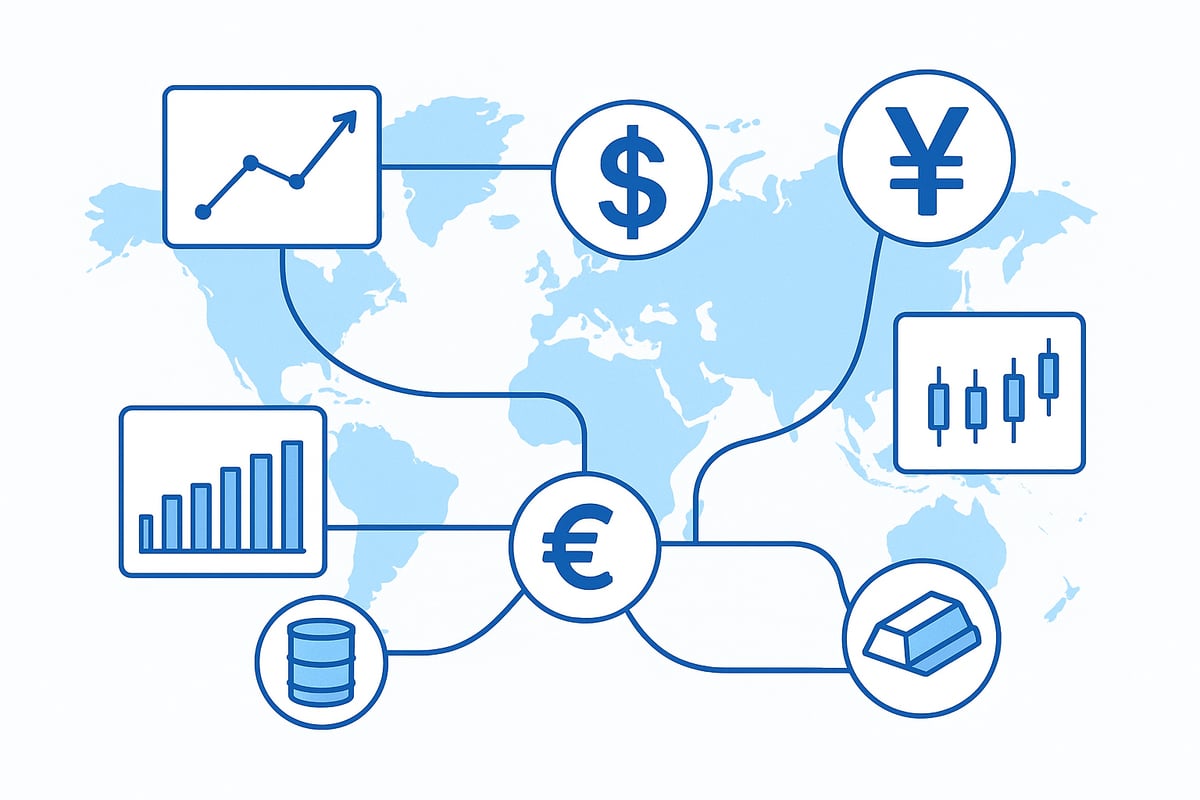
Market risk, sometimes called systematic risk, represents the potential for losses due to factors that affect entire markets rather than individual assets. This risk category is shaped by broad economic forces that can move prices across multiple asset classes simultaneously.
Key differences set market risk apart from credit risk (the chance a borrower defaults), operational risk (internal failures or disruptions), and liquidity risk (inability to quickly buy or sell assets). Market risk is driven by external variables, such as economic cycles, interest rate changes, and geopolitical events, making it difficult to predict and even harder to avoid.
Globalization has made markets more sensitive to shocks. For example, a policy decision in one major economy can ripple through currency, equity, and commodity markets worldwide. The integration of emerging markets and the rise of cross-border investments mean that market risk is now a shared challenge for investors everywhere.
Major Types of Market Risk
Several categories of market risk shape portfolio outcomes in 2026. Understanding these types is crucial for developing effective risk management strategies:
- Interest rate risk: Changes in central bank policies and global interest rates can significantly affect bond prices, loan costs, and overall market valuations.
- Equity price risk: Stock market volatility, especially in fast-growing or emerging sectors, can create sharp swings in portfolio values.
- Currency risk: Fluctuations in exchange rates impact global portfolios, particularly for companies and investors with international exposure.
- Commodity risk: Prices of raw materials like oil, gas, and agricultural products remain sensitive to supply chain disruptions and global demand shifts.
- Country and geopolitical risk: Political instability, trade disputes, and sanctions introduce uncertainty that can affect entire markets.
The early 2020s highlighted these risks as supply chain shocks and geopolitical events drove increased volatility in commodity and currency markets. As investors look ahead, recognizing the interconnected nature of market risk helps in crafting robust defenses against sudden market moves.
Why Market Risk is Growing in Importance
The landscape of market risk is evolving rapidly. In 2026, persistent inflation, shifting monetary policies, and mounting fiscal pressures dominate the macroeconomic outlook. The rise of cross-asset correlations means that downturns in one market can quickly spread to others, amplifying losses and challenging traditional diversification strategies.
Digital assets and innovative financial instruments are adding new layers of complexity to market risk profiles. Increased data flows, algorithmic trading, and the global reach of modern finance have made market risk both more complex and more difficult to diversify away.
For investors and financial professionals, staying ahead of these changes requires vigilance, adaptability, and a deep understanding of the factors shaping market risk today.
Key Drivers and Emerging Trends Shaping Market Risk
Rapid changes in the global economy and financial markets are reshaping how investors perceive and manage market risk. Understanding these key drivers is essential for anticipating challenges and identifying new opportunities as we move toward 2026.
Economic and Policy Drivers
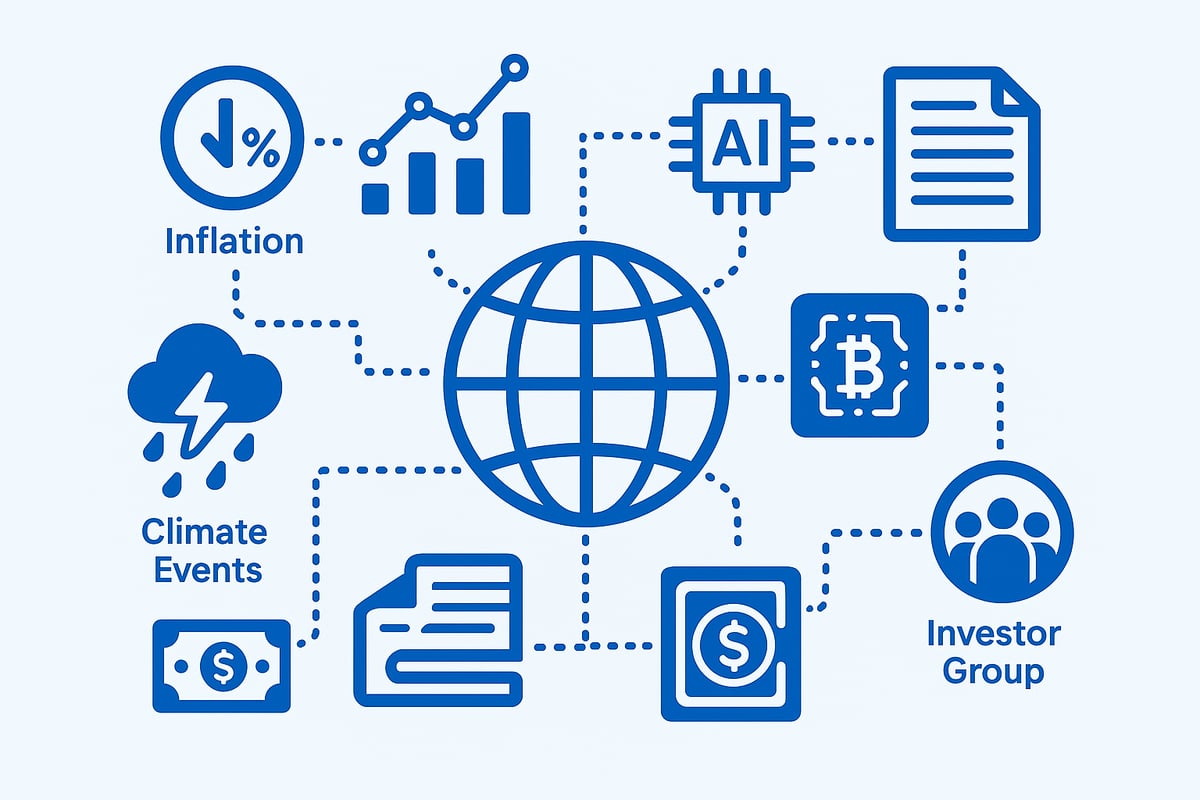
Global economic conditions remain a primary force behind market risk. Persistent inflation, shifting central bank policies, and rising sovereign debt levels are influencing asset prices and investor sentiment worldwide. The interplay between fiscal policies and monetary responses adds layers of uncertainty, challenging even the most seasoned professionals.
As highlighted in J.P. Morgan's 2026 investment outlook, monitoring macroeconomic variables is crucial for effective risk management. Investors must stay alert to policy shifts, fiscal deficits, and the evolving landscape of global growth.
Technological Disruption and Digital Assets
Technology is transforming market risk by introducing new asset classes and trading mechanisms. The rise of cryptocurrencies and decentralized finance platforms has created additional risk vectors that are not yet fully understood. Algorithmic trading and artificial intelligence drive efficiency but can also amplify volatility, as seen in recent flash crashes.
Digital assets can introduce unpredictable elements to portfolios, making traditional risk models less effective. As technology continues to evolve, investors need to adapt their market risk assessment tools to remain resilient.
Geopolitical and Environmental Factors
Geopolitical events are increasingly central to market risk, with trade tensions, sanctions, and realignment of supply chains creating sudden shocks. Environmental risks, such as extreme weather and climate-related disasters, can disrupt commodity markets and insurance portfolios.
For example, the Russia-Ukraine conflict significantly impacted energy and food prices, highlighting how interconnected global events can rapidly shift risk profiles. Considering these factors is critical to building robust market risk strategies.
Regulatory Evolution
Regulatory changes are both a source of market risk and a catalyst for innovation in risk management. Stricter reporting requirements, stress testing, and the integration of environmental, social, and governance (ESG) mandates are reshaping how institutions operate.
Regulations can introduce compliance costs and operational challenges but also drive the adoption of best practices. Staying ahead of regulatory developments is essential for effective market risk mitigation in 2026.
Market Structure and Investor Behavior
Changes in market structure and investor behavior are influencing market risk in new ways. The growth of passive investing has altered liquidity patterns, occasionally increasing volatility during periods of stress. Retail investors, empowered by technology and social media, have become a significant market force.
Understanding collective market experience, data trends, and behavioral biases is vital for anticipating and managing future risks. As participation broadens, market risk becomes more complex, requiring adaptive strategies and ongoing education.
Advanced Methods for Measuring Market Risk
In the evolving world of finance, accurately measuring market risk has never been more essential. As volatility increases and new asset classes emerge, investors and institutions must rely on advanced quantitative tools and rigorous frameworks to assess potential losses and exposures. Below, we explore the most effective methods for quantifying and understanding market risk in 2026.
Value at Risk (VaR) and Its Extensions
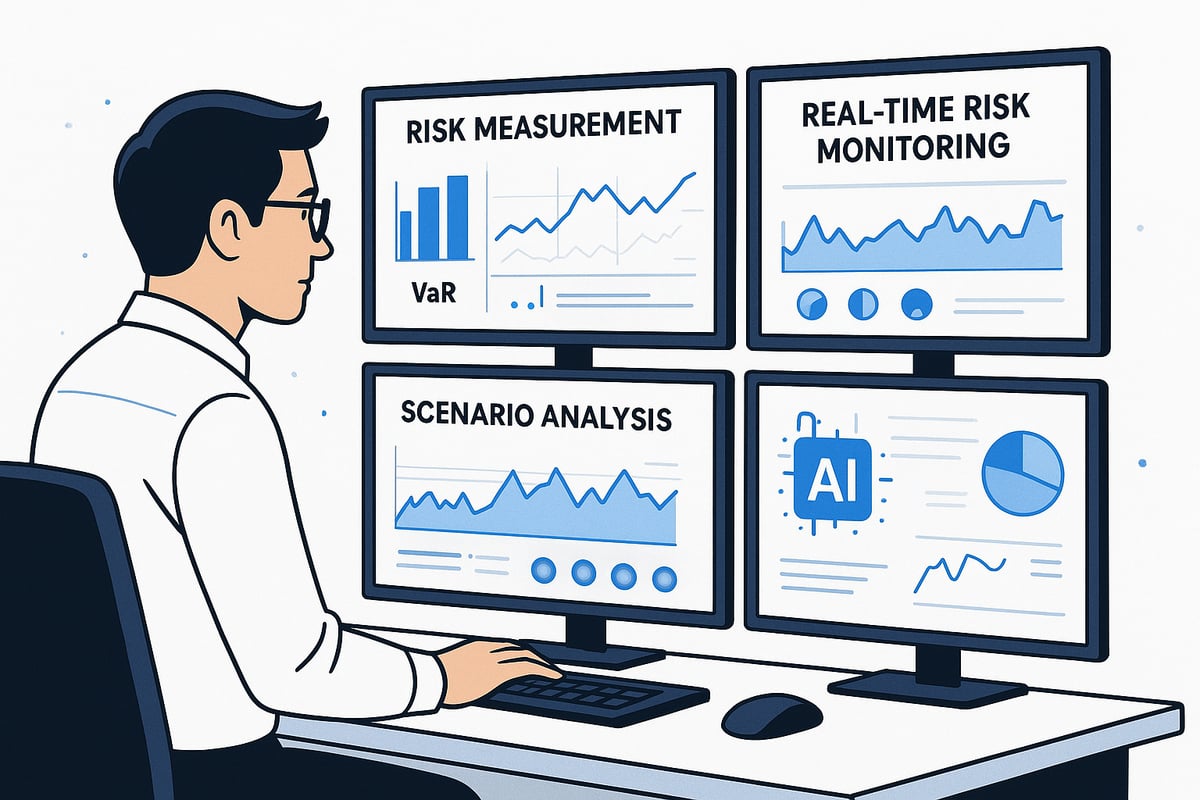
Value at Risk (VaR) remains a foundational tool for measuring market risk across portfolios. VaR estimates the maximum potential loss over a given time frame at a specific confidence level, making it a standard metric for banks, asset managers, and regulators.
There are three primary approaches to VaR:
| Method | Description | Strengths | Limitations |
|---|---|---|---|
| Parametric (Variance-Covariance) | Assumes returns are normally distributed; calculates VaR using mean and standard deviation. | Quick, easy to implement | May misestimate tail risks |
| Historical Simulation | Uses actual historical returns to simulate future outcomes. | No distribution assumption | Dependent on past market patterns |
| Monte Carlo Simulation | Models random scenarios based on statistical distributions. | Highly flexible | Computationally intensive |
While VaR is widely used, it is not without flaws. Its accuracy depends heavily on model assumptions and historical data, which may not always reflect future market risk. For this reason, many institutions now supplement VaR with stress testing and scenario analysis.
The regulatory acceptance and simplicity of VaR have made it a go-to for reporting requirements, but as market risk becomes more complex, extensions and alternative measures are increasingly necessary.
Sensitivity and Scenario Risk Measures
Beyond VaR, sensitivity measures provide granular insight into how portfolios respond to changes in underlying factors. Common metrics include beta for equities, duration and convexity for bonds, and delta, gamma, and vega for options.
- Beta: Measures a stock’s sensitivity to overall market risk.
- Duration/Convexity: Assess a bond’s price sensitivity to interest rate changes.
- Delta/Gamma/Vega: Quantify an option’s response to shifts in price, volatility, and other variables.
Scenario analysis is another crucial method for measuring market risk. This involves applying both historical and hypothetical shocks—such as the 2008 financial crisis or a sudden interest rate spike—to evaluate how a portfolio might perform under extreme conditions.
Reverse stress testing takes this further by identifying scenarios that could cause the most significant losses, helping institutions prepare for unlikely but impactful events. By combining these techniques, investors gain a robust picture of market risk exposure across a range of possible futures.
Risk Decomposition and Factor Analysis
Risk decomposition breaks down total portfolio risk into its underlying sources. For example, a global equity portfolio might be exposed to market risk from regional indices, currency movements, and sector-specific shocks.
Factor analysis uses statistical models—often multifactor models—to quantify exposure to drivers such as interest rates, credit spreads, and commodity prices. This detailed approach allows risk managers to pinpoint vulnerabilities and adjust allocations accordingly.
Consider a portfolio holding assets from multiple regions and sectors. By decomposing market risk, one can determine if exposures are concentrated in certain geographies or industries. This analysis is essential for both diversification and regulatory reporting.
A multifactor model might reveal that a portfolio’s volatility is mainly driven by energy prices and emerging market currencies. Such insights help institutions allocate capital more efficiently and prepare for shifts in market risk as economic conditions evolve.
Limitations and Best Practices
No single model can capture all dimensions of market risk. Overreliance on quantitative tools can lead to blind spots, especially when models are based on historical data that may not reflect new market realities.
Best practices include ongoing model validation, regular backtesting, and supplementing quantitative outputs with expert judgment. Institutions are increasingly leveraging artificial intelligence and real-time analytics for more adaptive risk measurement. Recent research on Integrating LLMs for real-time risk monitoring highlights the potential of large language models to enhance surveillance of equity, fixed income, and currency markets.
Combining traditional approaches with innovative technologies helps build more resilient frameworks for measuring market risk. Ultimately, a balanced approach—melding robust quantitative methods with human oversight—ensures that organizations are prepared for both expected and unforeseen challenges.
Proven Strategies for Managing and Mitigating Market Risk
Effectively navigating market risk in 2026 requires a multidimensional approach. Investors and professionals must combine time-tested principles with adaptive, data-driven tactics. The following strategies are foundational for building resilient portfolios and organizations in a world where uncertainty is the only constant.
Diversification and Asset Allocation
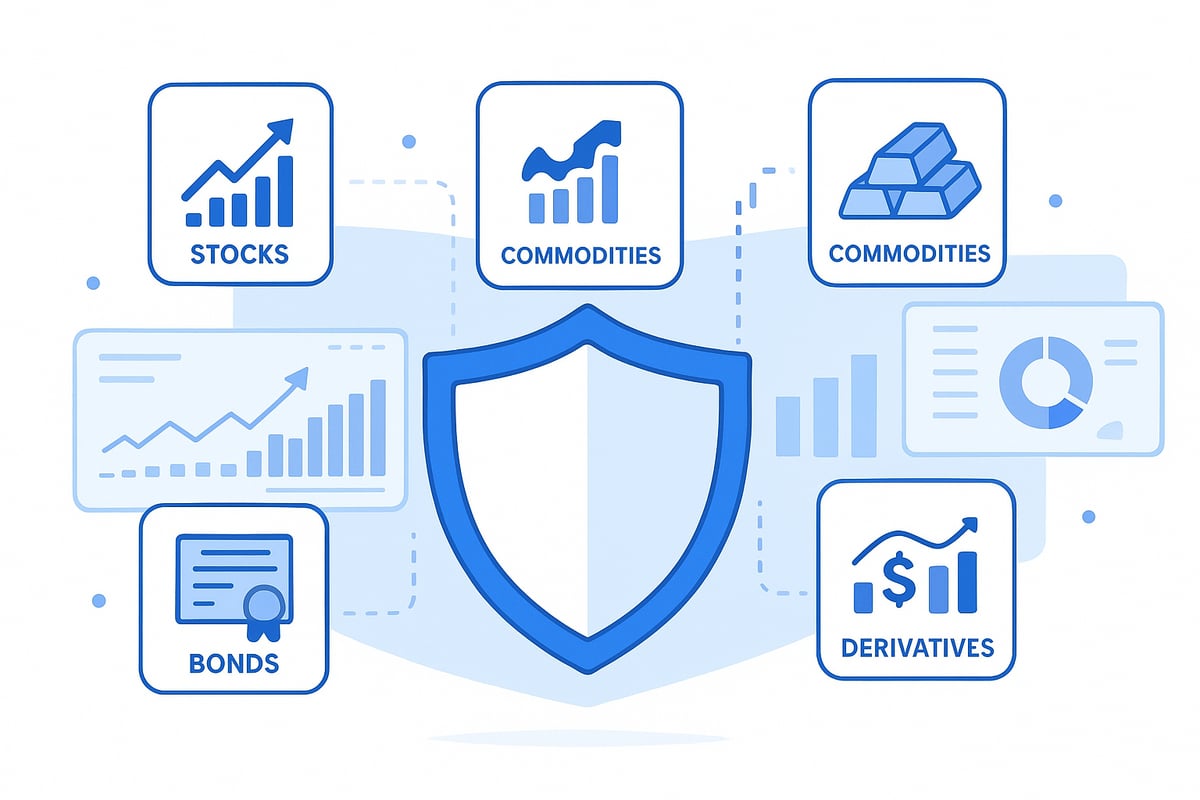
Diversification stands as the cornerstone of managing market risk. By allocating assets across different classes, regions, and sectors, investors can reduce the impact of adverse movements in any single market segment.
However, diversification has limits, especially when markets become highly correlated during periods of stress. The 2020 global market crash, for example, saw traditionally uncorrelated assets move in tandem, diminishing the protective effect. Thus, while asset allocation remains essential, it must be paired with other risk controls to address the evolving complexity of market risk.
Hedging Techniques
Hedging enables investors to offset specific exposures within their portfolios. Derivatives such as options, futures, and swaps are widely used tools for this purpose. For example, a global investor may hedge currency risk through forward contracts or protect against equity downturns by purchasing index put options.
Hedging strategies are most effective when tailored to the unique risk profile of each portfolio. To learn more about how forward contracts can help mitigate various types of market risk, see Forward contracts and risk hedging. Effective hedging is proactive, not reactive, and requires ongoing assessment.
Risk Budgeting and Position Limits
Risk budgeting allocates a predefined amount of risk across portfolios or business units, ensuring exposures remain aligned with organizational objectives. This approach helps prioritize where to take risks and where to be more conservative.
Position limits work hand in hand with risk budgets by capping the exposure to any single asset or sector. For instance, a portfolio manager might limit emerging market exposure to a set percentage. Together, these practices foster discipline and prevent excessive concentrations that can amplify market risk.
Stop-Loss and Scenario Limits
Stop-loss orders are vital tools for automatically capping potential losses in volatile markets. By setting predefined price points, investors can exit positions before losses escalate.
Scenario limits, derived from stress tests, establish boundaries based on hypothetical adverse events. For example, a scenario limit might restrict portfolio losses to a certain percentage if simulated market drops occur. These controls are crucial for containing market risk, especially during periods of rapid change.
Dynamic and Adaptive Risk Management
Static strategies are no longer sufficient for managing market risk in 2026. Dynamic risk management leverages real-time data analytics and artificial intelligence to monitor market conditions and adjust exposures promptly.
By continuously evaluating volatility, liquidity, and correlations, organizations can spot early warning signals and respond before risks materialize. Adaptive frameworks empower decision-makers to shift tactics as new threats or opportunities arise, ensuring that market risk remains within acceptable boundaries.
Organizational and Behavioral Approaches
A risk-aware culture is essential for effective market risk management. This begins with training investment teams to recognize both quantitative and qualitative risk factors and extends to aligning incentives with prudent risk-taking.
Leading firms now integrate risk metrics into performance reviews and compensation structures. By promoting accountability and informed decision-making, organizations can reduce behavioral biases and improve their resilience to market risk events.
Regulatory Compliance and Reporting
Regulatory expectations for market risk management have intensified. Financial institutions must comply with evolving standards on risk measurement, disclosure, and capital allocation. Regulatory stress testing, for example, is now a routine requirement.
Staying ahead of compliance demands involves robust internal controls and transparent reporting frameworks. Increased scrutiny ensures that market risk is systematically identified, measured, and mitigated, protecting both firms and their stakeholders.
Sector-Specific Insights: Market Risk Across Industries
Understanding how market risk impacts different industries is essential for building resilient strategies. Each sector faces its own unique exposures, regulatory challenges, and risk management priorities. Let’s break down how market risk is managed across key industries, from global banks to individual investors.
Banking and Financial Institutions
Banks and financial institutions are at the forefront of market risk exposure. They must manage fluctuations in interest rates, credit spreads, liquidity, and asset prices. Regulatory frameworks like Basel III and Basel IV require banks to maintain adequate capital buffers, conduct rigorous stress testing, and monitor leverage ratios.
A core component is the use of risk-weighted assets to measure and control market risk, helping institutions allocate capital efficiently. For a deeper dive into how banks calculate this, see Understanding risk-weighted assets.
Banks also employ robust liquidity risk tools to mitigate mismatches, ensuring that shocks in one market do not threaten overall stability.
Asset Management and Pension Funds
Asset managers and pension funds face significant market risk, especially from volatility and the possibility of underperforming benchmarks. They use metrics like tracking error and risk-adjusted returns to evaluate performance and tailor their asset allocation.
Scenario analysis is crucial for these investors, as they must plan for both short-term market shocks and long-term liabilities. Pension funds, for instance, regularly stress-test portfolios against various economic scenarios to assess the impact on future obligations.
Diversification remains a key approach, but the interconnectedness of markets requires even more sophisticated risk models to manage exposures effectively.
Insurance Companies
Insurance companies experience market risk through the investment portfolios that back policyholder liabilities. Fluctuations in interest rates can directly impact their ability to meet long-term obligations, making asset-liability management essential.
They also face unique challenges from catastrophic events and climate-related risks. Insurers increasingly conduct stress tests for scenarios like natural disasters or sharp market downturns to ensure solvency.
Growing regulatory demands require insurers to disclose their market risk frameworks and demonstrate resilience to both financial and environmental shocks.
Corporates and Multinationals
For corporates and multinationals, market risk arises from exposure to currency swings, commodity price volatility, and shifting interest rates. Effective risk management is vital for protecting earnings and stabilizing cash flows.
Many companies implement hedging programs using derivatives to offset these exposures. Monitoring financial health also involves tracking metrics like the interest coverage ratio explained, which reveals how well a company can manage debt payments during periods of market risk.
Strategic planning and scenario analysis allow firms to anticipate and respond to market disruptions in global operations.
Individual Investors and Advisors
Individual investors and advisors must adapt institutional-grade market risk management techniques to personal portfolios. Understanding risk tolerance and investment horizons is fundamental for navigating volatile markets.
Retail investors now play a larger role in market dynamics, sometimes amplifying volatility through collective actions. Advisors help clients build diversified portfolios and use risk tools to match investments with personal goals.
Education and access to real-time data empower individuals to make informed decisions, reducing the likelihood of emotional responses to market risk.
The Future of Market Risk Management: Trends and Innovations for 2026
Navigating the future of market risk demands agility, foresight, and a willingness to embrace new technologies. As 2026 approaches, the landscape is rapidly evolving, shaped by digital transformation, regulatory shifts, and unpredictable global events.
Integration of AI, Big Data, and Machine Learning
The integration of AI and machine learning is revolutionizing market risk analysis. Sophisticated algorithms process vast datasets to identify early warning signs, uncover hidden correlations, and predict volatility. Financial institutions now use predictive analytics to model complex scenarios, improving the precision of risk forecasts.
AI-driven sentiment analysis scans news and social media for market-moving signals. These advances allow risk managers to shift from reactive to proactive strategies. According to the Goldman Sachs' 2026 investment outlook, AI is central to navigating market risk in an era defined by rapid change.
Real-Time Risk Monitoring and Automation
Real-time risk monitoring has become essential for managing market risk efficiently. Dashboards powered by cloud computing and APIs aggregate data from global markets, providing instant visibility into exposures and stress points. Automated controls can adjust portfolio positions within seconds, ensuring compliance and minimizing losses.
These systems are especially valuable during periods of heightened volatility, when traditional manual processes may lag behind market shifts. With market risk evolving so quickly, automation is no longer optional for leading institutions.
ESG and Climate Risk Integration
Integrating ESG and climate factors into market risk frameworks is now a regulatory and strategic imperative. Investors and regulators demand transparency around environmental and social exposures. Asset managers are building ESG-adjusted risk models to account for climate-related shocks and reputational risks.
Climate stress testing is becoming standard practice, helping firms anticipate the financial impact of extreme weather events or policy changes. This holistic approach ensures that market risk assessments reflect both financial and non-financial drivers.
Decentralized Finance (DeFi) and Digital Asset Risks
The rapid growth of decentralized finance introduces new vectors for market risk. Blockchain-based products and cryptocurrencies, while innovative, present unique challenges. Their extreme price volatility and susceptibility to cyber threats require specialized risk frameworks.
Traditional models often fall short in capturing the idiosyncratic risks of digital assets. As adoption rises, institutions are developing bespoke tools to monitor exposures, manage security risks, and control liquidity in crypto portfolios.
Human Judgment and Behavioral Risk Management
Despite advances in technology, human expertise remains vital in market risk management. Cognitive biases and emotional responses can distort decision-making, especially during market stress. Organizations are investing in behavioral training to help teams recognize and counteract these biases.
Combining quantitative models with expert panels ensures a balanced approach. This synergy improves oversight and supports more resilient risk outcomes.
Preparing for the Unknown: Building Resilient Risk Frameworks
Building resilience against unknown market risk events is a top priority for 2026. Scenario planning and stress testing help firms anticipate black swan events, while adaptive frameworks allow for rapid response. Institutional investors, as highlighted in Institutional investors anticipate 2026 market correction, are proactively adjusting strategies to withstand turbulence.
Blending historical data with forward-looking judgment, organizations can create robust risk management structures that stand up to the challenges of an unpredictable world.
As we’ve explored, understanding market risk in 2026 means more than tracking numbers—it’s about seeing the bigger picture, learning from the past, and staying agile in a changing world. If you’re ready to deepen your perspective and uncover the stories behind the data, we’re building a platform designed just for you. Let’s navigate the complexities of today’s markets together, using interactive tools, historical insights, and AI-powered analysis to make smarter decisions for tomorrow. If you want early access and a voice in shaping this innovative experience, Join Our Beta.