
Market Order: A Comprehensive Trading Guide
Understanding the fundamentals of order types is essential for anyone navigating financial markets, whether you're analyzing historical trading patterns or executing contemporary investment strategies. A market order represents the most straightforward instruction a trader can give: buy or sell a security immediately at the best available current price. This simplicity has made market orders the backbone of trading activity for over a century, from the bustling trading floors of early exchanges to today's electronic marketplaces. For investors, students, and market historians examining past market movements, understanding how market orders function provides critical context for analyzing price action, volume spikes, and the mechanisms behind significant market events.
The Fundamentals of Market Order Execution
A market order, by its most basic definition, represents an instruction to execute a transaction immediately at whatever price is currently available in the marketplace. Unlike limit orders that specify a maximum purchase price or minimum sale price, market orders prioritize speed and certainty of execution over price control.
When you place a market order to buy, you're agreeing to pay the current asking price-whatever sellers are currently willing to accept. Conversely, when selling with a market order, you accept the current bid price that buyers are offering. This mechanism ensures that your order gets filled, typically within seconds in modern markets, though the exact price may differ slightly from what you saw when initiating the trade.
Historical Context and Evolution
The concept of market orders dates back to the earliest organized exchanges. On the New York Stock Exchange floor during the 19th and early 20th centuries, traders would shout market orders in the trading pit, creating the iconic scene of frenzied hand signals and vocal bids. These orders moved markets instantly, creating the price discovery mechanism that defined daily trading sessions.
Historical market analysis reveals that market orders have played pivotal roles in both crashes and rallies. During the 1929 crash, waves of market sell orders overwhelmed the system, creating the cascading price declines that defined Black Tuesday. Similarly, during more recent flash crashes, automated market orders exacerbated price movements in microseconds.

How Market Orders Interact with the Order Book
The order book serves as the central mechanism where market orders find their matches. This electronic ledger contains all pending buy and sell orders for a particular security, organized by price level. Understanding this interaction is crucial for appreciating how market orders function.
Order Book Structure:
- Bid Side: Buy orders arranged from highest to lowest price
- Ask Side: Sell orders arranged from lowest to highest price
- Spread: The difference between the highest bid and lowest ask
- Depth: The volume of orders at each price level
When a market order enters the system, it immediately consumes liquidity from the order book. A market buy order takes shares from sellers at the ask price, starting with the lowest available price and moving higher if the order size exceeds available shares at that level. This process happens so quickly in modern markets that it appears instantaneous.
Price Impact and Slippage
Large market orders can move prices substantially, especially in less liquid securities. This price movement-called slippage-represents the difference between the expected price when placing the order and the actual execution price. Historical market data shows that slippage has varied dramatically across different eras based on market structure and technology.
| Time Period | Typical Slippage (Large Orders) | Primary Cause |
|---|---|---|
| Pre-1970s | 0.5-2% | Manual processing, wide spreads |
| 1970s-1990s | 0.25-1% | Electronic systems emerging |
| 2000s-2010s | 0.1-0.5% | High-frequency trading, tighter spreads |
| 2020s | 0.05-0.3% | Advanced algorithms, fragmented liquidity |
Strategic Considerations for Using Market Orders
Choosing when to employ a market order versus alternative order types requires understanding your trading objectives and market conditions. Market orders excel in specific scenarios while presenting challenges in others.
Ideal Situations for Market Orders:
- Trading highly liquid securities with tight bid-ask spreads
- Prioritizing execution certainty over price precision
- Entering or exiting positions during strong trending movements
- Responding to breaking news or time-sensitive market developments
- Managing risk when immediate position closure is necessary
Many professional traders have learned through experience-sometimes costly-that market orders demand respect for market conditions. During the 1987 crash, traders who used market orders to exit positions experienced devastating slippage as bid prices evaporated within minutes. Fidelity's explanation of market orders emphasizes these execution considerations for modern investors.
Historical Market Events and Market Order Impact
Throughout financial history, concentrated market order activity has created memorable market moments. The 2010 Flash Crash exemplified how algorithmic market orders could interact with thin order books to create extreme price dislocations. Within minutes, market orders drove the Dow Jones Industrial Average down nearly 1,000 points before recovering.
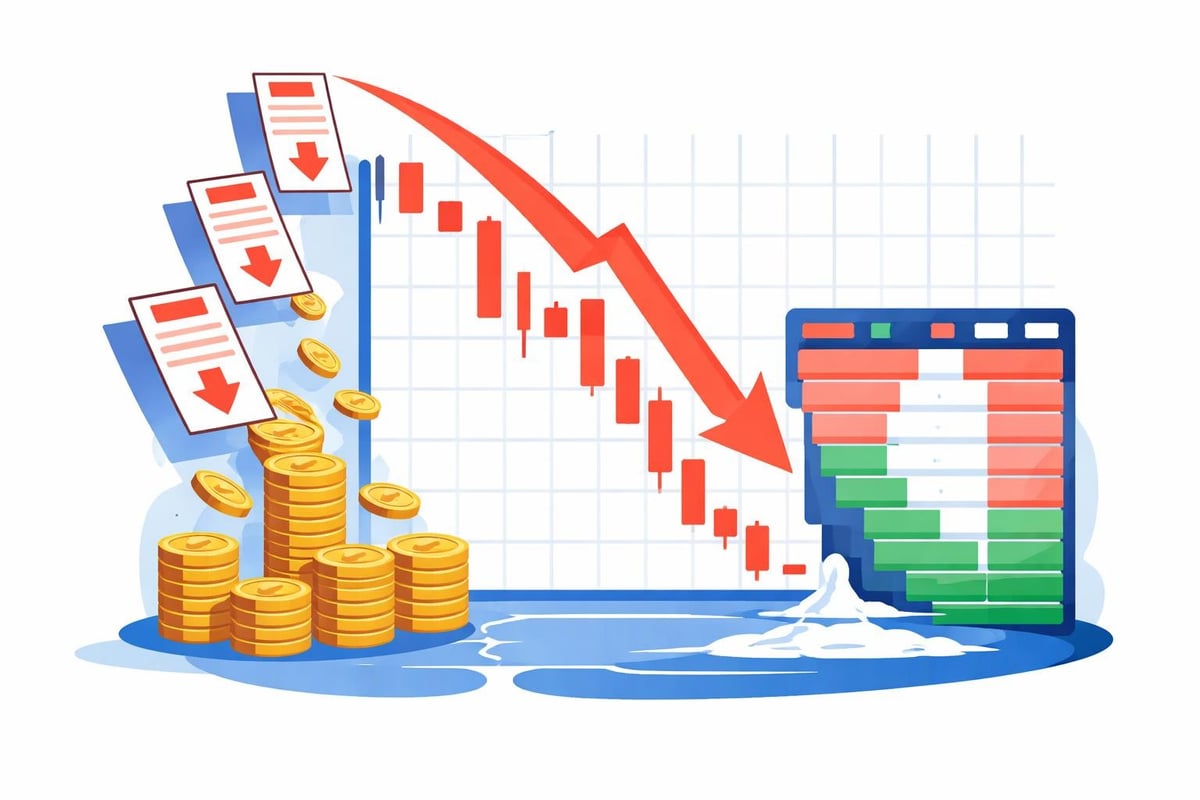
Understanding these historical precedents helps modern traders appreciate the power and potential risks inherent in market orders. Each case study provides lessons about market structure, liquidity dynamics, and the importance of order type selection.
Market Orders Versus Alternative Order Types
Comparing market orders to other order types clarifies their unique characteristics and appropriate applications. Each order type serves specific strategic purposes within a comprehensive trading approach.
Market Orders vs. Limit Orders
The distinction between these two fundamental order types shapes daily trading decisions across all markets. While market orders guarantee execution, limit orders guarantee price-but never both simultaneously.
| Feature | Market Order | Limit Order |
|---|---|---|
| Execution Speed | Immediate | Only when price reaches limit |
| Price Control | None | Precise price specification |
| Fill Certainty | Extremely high | Varies with market movement |
| Best Use Case | Liquid markets, urgent trades | Illiquid securities, price discipline |
| Historical Prevalence | Dominant pre-electronic era | Increased with online trading |
Market Orders and Stop Orders
Stop orders, which become market orders when triggered, combine elements of both conditional and immediate execution. These hybrid instruments have evolved significantly since their introduction to organized exchanges in the early 20th century.
During volatile historical periods, stop-loss orders converting to market orders have created feedback loops that accelerated price movements. The 1929 crash witnessed countless stop orders triggering sequential market sell orders, overwhelming buyers and driving prices to unprecedented lows.
Technological Evolution and Market Order Execution
The mechanics of market order execution have transformed dramatically over the past several decades, fundamentally altering their behavior and impact. According to Nasdaq's definition and explanation, modern market orders benefit from sophisticated routing algorithms and fragmented market centers.
Execution Evolution Timeline:
- 1970s-1980s: Introduction of electronic order routing systems
- 1990s: NASDAQ fully electronic matching, increased competition
- 2000s: Regulation NMS creates market fragmentation
- 2010s: High-frequency trading dominates execution landscape
- 2020s: AI-powered smart order routing optimizes fills
Modern market orders often execute across multiple venues simultaneously, with smart routers seeking optimal prices across lit exchanges, dark pools, and alternative trading systems. This complexity remains invisible to most traders but significantly impacts execution quality.
Dark Pools and Market Order Execution
Since the 2000s, dark pools have emerged as important execution venues for large market orders. These private exchanges allow institutional investors to execute substantial positions without revealing their intentions to the broader market, reducing price impact.
Historical analysis shows that approximately 15-20% of equity volume now executes in dark pools, fundamentally changing how large market orders affect visible price discovery. This structural evolution represents one of the most significant transformations in market order mechanics since electronic trading emerged.
Market Orders in Different Market Conditions
Market behavior varies substantially across different trading environments, making context essential for effective order type selection. Historical market analysis reveals consistent patterns in how market orders perform under various conditions.
During normal market conditions with moderate volatility and healthy liquidity, market orders typically execute at prices very close to quoted levels. The spread between bid and ask remains tight, and order book depth provides ample counterparties for typical order sizes.
Market Condition Impact on Market Orders:
- Bull Markets: Generally favorable execution as buyers absorb supply
- Bear Markets: Potential for adverse fills during panic selling
- High Volatility: Increased slippage risk across all securities
- Low Liquidity Periods: Wide spreads magnify execution costs
- Market Opens/Closes: Heightened volume but potential price gaps
Circuit Breakers and Market Order Restrictions
Following the 1987 crash, exchanges implemented circuit breakers to pause trading during extreme price movements. These mechanisms directly affect market order execution by temporarily preventing trades from executing at any price.
Modern circuit breakers trigger at specific percentage declines, providing cooling-off periods that prevent the feedback loops of cascading market orders observed in historical crashes. Understanding these safeguards helps traders anticipate when market orders might face delayed execution despite their immediate nature.

Advanced Considerations for Market Order Users
Sophisticated traders consider multiple factors beyond basic execution mechanics when deploying market orders. These nuanced considerations separate experienced market participants from novices.
Quote Depth Analysis: Before placing large market orders, examining order book depth reveals potential price impact. A thin order book suggests that market orders might walk through multiple price levels, creating substantial slippage.
Time-of-Day Effects: Market order execution quality varies throughout the trading session. The opening and closing periods typically feature wider spreads but higher volume, while mid-day trading often provides optimal conditions for market orders in most securities.
Regulatory Protections: Modern regulations include safeguards like limit up/limit down bands that prevent market orders from executing at egregiously unfavorable prices. These protections emerged from historical episodes where market orders filled at prices far from prevailing markets.
Best Execution Obligations
Since the 1990s, broker-dealers have operated under best execution obligations, requiring them to seek the most favorable terms reasonably available when executing market orders. This regulatory framework emerged from historical instances of inferior execution quality and conflicts of interest.
For investors analyzing historical market data, understanding these best execution requirements provides context for how market order fills have improved over time. Modern execution quality reports allow detailed analysis of how brokers handle market orders across different securities and market conditions.
Market Orders in International Markets
Market order mechanics vary across global exchanges, reflecting different market structures, regulatory frameworks, and trading cultures. Historical market development has created diverse approaches to immediate execution orders.
European markets, for instance, have traditionally emphasized limit orders more heavily than U.S. markets, with some exchanges structuring their fee schedules to discourage market orders. Asian markets demonstrate yet different patterns, with certain exchanges limiting market order use during opening auctions.
| Region | Market Order Preference | Key Characteristics |
|---|---|---|
| United States | High usage (40-50% of orders) | Deep liquidity, tight spreads |
| Europe | Moderate usage (25-35% of orders) | Limit order books emphasized |
| Asia | Variable by market | Auction mechanisms common |
| Emerging Markets | Lower usage | Wider spreads, liquidity concerns |
Understanding these international variations proves valuable when analyzing historical cross-border market events or comparing market structure evolution across different regulatory environments.
Learning from Historical Market Order Events
Market history provides rich lessons about market order behavior during significant events. Students and analysts can extract valuable insights by examining how market orders functioned during crashes, rallies, and structural transformations.
The 2008 financial crisis demonstrated how market order execution deteriorates during systemic stress. As liquidity providers withdrew from markets, bid-ask spreads widened dramatically, and market orders experienced severe adverse selection. These conditions persisted for weeks, fundamentally altering trading dynamics.
More recently, the 2021 retail trading surge in meme stocks showcased how concentrated market order flow could overwhelm available supply, driving prices to levels far removed from traditional valuation metrics. These episodes illustrate the continued relevance of understanding market order mechanics for anyone analyzing market movements.
Research into these historical events helps develop intuition about when market orders serve traders well and when alternative approaches offer superior outcomes. This historical perspective complements theoretical understanding with practical wisdom drawn from real market experiences.
Practical Applications for Modern Traders
Modern traders can apply historical lessons about market orders to improve their execution strategies. While technology has advanced considerably, fundamental principles about supply, demand, and market structure remain constant.
Best Practices for Market Order Use:
- Verify adequate liquidity before placing large orders
- Monitor bid-ask spreads to estimate potential execution costs
- Consider time-of-day effects on execution quality
- Use market orders primarily in highly liquid securities
- Understand your broker's order routing practices
- Review execution quality reports regularly
When examining historical price-to-earnings ratios or analyzing how news impacts valuations, understanding market order mechanics provides context for the price movements visible in historical charts. Each transaction reflects someone's decision to use a market order or alternative approach.
Educational Value for Market Students
For students of market history and structure, market orders represent a perfect entry point for understanding how markets function. The simplicity of the concept-pay whatever price necessary to trade immediately-belies the sophisticated infrastructure supporting modern execution.
Historical analysis reveals how market orders have influenced everything from the development of stock exchanges to the evolution of regulatory frameworks. The primary market for new securities operates differently than secondary market trading where market orders dominate daily activity.
Academic research has extensively studied market order behavior, producing insights about price discovery, market efficiency, and liquidity provision. This body of knowledge helps explain phenomena ranging from flash crashes to market microstructure evolution. The efficient market hypothesis itself depends partly on the continuous price discovery enabled by market orders.
Understanding these connections enriches any study of financial markets, whether focused on contemporary trading or historical market analysis. Market orders serve as a thread connecting individual trading decisions to broad market movements that define financial history.
Grasping how market orders work and their historical impact provides essential context for understanding market dynamics across all time periods. Whether you're analyzing the 1929 crash or studying modern flash crashes, market order mechanics help explain price movements and volume patterns. Historic Financial News empowers investors, students, and analysts by providing the historical context necessary to understand these trading fundamentals within the broader narrative of market evolution. Our interactive charts and AI-powered analysis help you explore how market orders have shaped pivotal moments in financial history, enabling you to learn from past market behaviors and develop deeper insights into trading mechanics.