
Business Cycle Guide: Understanding Economic Fluctuations 2026
Ever wondered why economies surge forward one year, only to stumble the next? The answer lies in the business cycle, a fundamental concept that shapes everything from jobs to investments.
This guide will break down the business cycle, showing how and why economies shift through periods of growth and decline. You will learn what drives these changes, what each stage means, and how to prepare for what 2026 might bring.
By exploring the stages, causes, and impacts of economic fluctuations, you will gain practical insights to help you make smarter business and financial decisions in any economic climate.
What Is the Business Cycle?
Understanding the business cycle is essential for anyone interested in how economies operate. At its core, the business cycle describes the recurring pattern of growth and decline in economic activity over time.

Definition and Core Concepts
The business cycle refers to the natural rise and fall of economic growth that occurs over time. Unlike the steady ticking of a clock, the business cycle does not follow a regular or predictable schedule. Instead, it is shaped by a range of internal and external factors, each influencing the timing and intensity of economic changes.
Economists distinguish the business cycle from long-term economic growth trends. While growth trends reflect the overall upward movement of an economy over decades, the business cycle captures the shorter-term fluctuations that occur within this broader trend.
There are four main stages within every business cycle:
- Expansion: Economic activity increases, with rising GDP, employment, and investment.
- Peak: The highest point before the economy slows.
- Contraction (Recession): Economic output declines, unemployment rises, and spending drops.
- Trough: The cycle's lowest point, signaling the beginning of recovery.
Think of the business cycle as a roller coaster, with periods of climbing growth, thrilling peaks, sudden drops, and eventual recovery. Real GDP is the most widely used measure to track these ups and downs, providing a snapshot of overall economic health.
In the United States, the National Bureau of Economic Research (NBER) serves as the official authority for defining and dating business cycles. Since World War II, the U.S. has experienced more than a dozen business cycles, with each lasting between five and ten years on average. For those interested in historical patterns, Financial history for economic trends offers a wealth of original news, data, and analysis on past business cycles.
Why Understanding the Business Cycle Matters
Recognizing where we are in the business cycle has real-world consequences. The stage of the business cycle can affect job security, wage growth, and investment opportunities for individuals and organizations alike.
For businesses, understanding the business cycle helps guide decisions on hiring, expansion, and risk management. Governments and central banks also rely on business cycle analysis to shape economic policies, such as adjusting interest rates or launching stimulus measures.
Investors closely monitor the business cycle to anticipate changes in market conditions. For example, stock markets often rise during expansions but can decline sharply during contractions.
A typical U.S. business cycle lasts between five and ten years, according to the St. Louis Federal Reserve. This cycle influences not only financial markets but also everyday choices, from saving to spending. By staying aware of the business cycle, individuals and organizations can better prepare for both opportunities and challenges as the economy shifts.
The Stages of the Business Cycle Explained
Understanding the business cycle is like tracking the rhythm of the economy’s heartbeat. Each stage reflects a unique phase, marked by different signals in growth, jobs, and investor confidence. Let’s break down the four primary stages—expansion, peak, contraction, and trough—to see how they shape both markets and daily life.

Expansion: Growth and Optimism
During the expansion stage, the business cycle is characterized by robust growth and rising optimism. Real GDP increases steadily as businesses ramp up production, consumers spend more, and job creation accelerates. You’ll notice companies investing in new projects, stock markets trending upward, and unemployment rates declining.
Key markers of expansion include:
- Higher consumer confidence and spending
- Increased business investment
- Strong job growth
For example, the U.S. experienced its longest recorded expansion from 2009 to 2020. GDP growth during this period averaged between 2% and 4% per year, reflecting widespread economic gains. As we look toward the future, the First Quarter 2026 Quarterly Business Cycle Update suggests that economic expansion is likely to continue, backed by healthy investment and consumer demand.
Expansion is often compared to the upward climb of a roller coaster, where momentum builds and optimism grows. This stage of the business cycle sets the foundation for future prosperity and innovation.
Peak: The Turning Point
The peak marks the highest point of the business cycle, where economic activity reaches its zenith before slowing down. Identifying a peak can be challenging in real time, as data lags and signals often appear subtle at first.
Common indicators of a peak include:
- Rising inflation pressures
- Tight labor markets
- High asset prices across sectors
A classic example is the 2007 peak, which preceded the Great Recession. During a peak, the economy may appear strong on the surface, but signs of overheating—such as rapid price increases or asset bubbles—become more apparent. Business leaders and policymakers watch these signals closely, as peaks often foreshadow shifts in policy and investment strategies.
At this stage, the business cycle reflects maximum output, but underlying vulnerabilities may be building, setting the stage for a potential downturn.
Contraction (Recession): Slowdown and Hardship
The contraction phase, often referred to as a recession, is when the business cycle enters a period of economic decline. GDP falls, unemployment rises, and consumer spending slows. The severity and duration of contractions can vary significantly, but all share certain features.
During contraction, you’ll typically see:
- Job losses and increased layoffs
- Lower business profits and bankruptcies
- Reduced consumer and business spending
A notable example is the 2020 COVID-19 recession, which was the sharpest but shortest contraction in recent history. Unemployment rates often double during recessions, and stock markets can experience significant declines.
This stage of the business cycle is akin to the downward plunge of a roller coaster, when uncertainty and caution take hold. For businesses and households, it is a time to reassess budgets, investments, and risk tolerance.
Trough: The Recovery Begins
The trough represents the lowest point of the business cycle, signaling the end of contraction and the start of recovery. At this stage, economic activity stabilizes, and early signs of growth begin to appear.
Key indicators of a trough include:
- Stabilization of job losses
- Gradual improvement in consumer confidence
- Initial uptick in production and investment
For instance, the 2009 trough followed the financial crisis, marking the moment when the economy stopped shrinking and began to grow again. There is often a time lag between the trough and visible recovery, as it takes time for confidence and spending to return.
The trough is like the slow ascent after a roller coaster’s lowest dip, offering hope and opportunity for renewal. Recognizing this phase helps individuals and organizations position themselves for the next upward swing of the business cycle.
| Stage | GDP Trend | Unemployment | Market Sentiment |
|---|---|---|---|
| Expansion | Rising | Falling | Optimism |
| Peak | Highest | Lowest | Euphoria |
| Contraction | Falling | Rising | Caution |
| Trough | Lowest | Highest | Hopeful |
Causes of Economic Fluctuations
Economic fluctuations are a central feature of the business cycle. Understanding what causes these ups and downs is essential for predicting future trends and preparing for change. Fluctuations arise from a complex mix of internal and external factors, shocks, and policy decisions.

Internal and External Drivers
The business cycle is shaped by both internal and external forces. Internal drivers come from within the economy, while external drivers are outside shocks or influences.
Internal drivers include:
- Changes in consumer confidence, which affect spending and saving habits.
- Shifts in business investment, as companies respond to market signals.
- Credit cycles, where lending standards and borrowing costs fluctuate.
External drivers include:
- Global shocks, such as wars or pandemics, which can disrupt trade and supply chains.
- Technological breakthroughs that change productivity and industry dynamics.
- Commodity price swings, especially in energy or raw materials.
| Driver Type | Examples |
|---|---|
| Internal | Consumer confidence, credit cycles |
| External | Oil price spikes, global pandemics |
The business cycle reacts to these drivers, leading to periods of growth or contraction. For instance, the 2008 financial crisis was triggered by a collapse in the housing and credit markets, while the COVID-19 pandemic in 2020 was a classic external shock.
Economic Shocks and Their Effects
Economic shocks are sudden events that can rapidly alter the direction of the business cycle. These shocks may be positive, such as the adoption of new technologies or government stimulus, or negative, like geopolitical conflicts or sharp increases in oil prices.
Positive shocks:
- Introduction of transformative technologies
- Large-scale fiscal stimulus measures
Negative shocks:
- Oil price surges
- Geopolitical conflicts
- Sudden monetary tightening
The impact of shocks on the business cycle is often immediate and widespread. For example, the COVID-19 pandemic caused an abrupt global recession in 2020, with economies contracting at record rates. According to the St. Louis Fed, energy price shocks have preceded six of the last ten U.S. recessions, highlighting their significance.
Shocks can also create uncertainty, making it harder for businesses and individuals to plan. This unpredictability is a hallmark of the business cycle, emphasizing why monitoring current events is crucial.
Policy Responses to Fluctuations
Governments and central banks play a vital role in responding to economic fluctuations. Their actions can either soften or amplify the effects of the business cycle.
Fiscal policy involves changes in government spending and taxation. During downturns, increased spending or tax relief can support demand and employment. Conversely, in periods of rapid growth, reducing spending or increasing taxes can help prevent overheating.
Monetary policy uses tools like interest rates and asset purchases to influence borrowing and investment. For example, lowering the discount rate can make loans cheaper, encouraging businesses to invest and consumers to spend. For a deeper look at how the Federal Reserve uses the discount rate during different phases of the business cycle, see The role of the Federal Reserve.
Policy responses are not always perfect. Their effectiveness depends on timing, scale, and the nature of the underlying shock. Still, well-designed interventions can make the business cycle less volatile, helping economies recover more quickly from setbacks.
How to Identify and Measure Business Cycles
Understanding how to identify and measure the business cycle is essential for anyone tracking economic trends or making financial decisions. The business cycle shapes everything from investment strategies to government policy, so knowing what signals to watch can provide a major advantage.
Key Economic Indicators
Economists rely on several indicators to pinpoint where we are in the business cycle. The most important is real GDP, which measures the total value of goods and services produced, adjusted for inflation. Rising GDP usually signals expansion, while falling GDP indicates contraction.
Unemployment rates also play a critical role. When the business cycle enters a downturn, jobless numbers often climb, but they can lag behind GDP changes. Inflation is another vital measure. High inflation may point to an overheating economy, while deflation can mean weak demand.
Surveys of consumer confidence and business sentiment offer insight into expectations for the future. These psychological factors can influence where the business cycle heads next.
A helpful framework divides indicators into three groups:
| Type | Example | What They Show |
|---|---|---|
| Leading | New orders, stock prices | Predict future movement |
| Coincident | Employment, GDP | Current state of the economy |
| Lagging | Unemployment duration | Confirm past trends |
A common rule of thumb is that two consecutive quarters of negative GDP growth suggest a recession. However, looking at a range of indicators is best. For a deeper dive into evaluating company health throughout the business cycle, Economic indicators and the business cycle explains how ratio analysis can be a valuable tool.
The Role of the NBER and Official Dating
The National Bureau of Economic Research (NBER) is the official authority for dating the U.S. business cycle. The NBER defines a recession as a significant decline in economic activity that is spread across the economy and lasts for more than a few months.
To determine the turning points in the business cycle, the NBER examines several criteria: depth, diffusion, and duration. This approach goes beyond just GDP numbers. It looks at how widespread and sustained the downturn is, including factors such as industrial production, employment, and income.
There is sometimes a gap between formal and informal definitions. For example, in 2022, the U.S. experienced two quarters of negative GDP growth, but the NBER did not declare an official recession. This highlights the complexity of measuring the business cycle and the importance of considering multiple data points.
Understanding how the business cycle is measured helps businesses, investors, and policymakers plan for what comes next. By tracking the right indicators and recognizing the NBER’s methodology, you can better anticipate changes in the economic environment.
The Business Cycle’s Impact on Markets, Businesses, and Individuals
Understanding how the business cycle ripples through financial markets, companies, and households is crucial for making informed decisions. Each stage brings unique challenges and opportunities, affecting everything from investment returns to job stability. Let’s break down the real-world impacts and what they mean for you.
Effects on Financial Markets
Financial markets closely track the business cycle, although not always in perfect sync. During expansions, investor optimism drives up stock prices, while contractions often bring volatility and sharp declines.
- Stock market cycles can lead or lag the overall business cycle.
- Asset prices, such as equities and real estate, typically rise in expansions and fall in contractions.
- Investors often reallocate portfolios based on perceived cycle stages.
Consider the S&P 500’s historical performance. On average, the market drops about 30 percent during recessions, but rebounds strongly in recoveries. The table below summarizes typical patterns:
| Business Cycle Stage | S&P 500 Trend | Investor Sentiment |
|---|---|---|
| Expansion | Rising | Optimistic |
| Peak | Volatile/Uncertain | Cautious |
| Contraction | Declining | Defensive |
| Trough | Stabilizing | Opportunistic |
Recognizing these patterns helps investors anticipate risks and opportunities as the business cycle evolves.
Implications for Businesses
The business cycle shapes company strategies, from hiring decisions to capital investment. During expansions, firms often ramp up production, invest in new projects, and hire more workers. In contractions, companies may scale back, cut costs, and delay major spending.
- Revenue and profits typically rise in expansions but become volatile during downturns.
- Inventory management and cash flow planning become critical in uncertain periods.
- Cyclical industries, like technology and consumer goods, are more sensitive to the business cycle, while defensive sectors, such as healthcare, remain steadier.
Recent forecasts, like the ISM® reports economic improvement to continue in 2026, suggest many companies expect continued growth, especially in manufacturing and services. Still, prudent businesses prepare for possible shifts by diversifying revenue streams and monitoring key indicators.
Consequences for Households and Workers
Households experience the business cycle in tangible ways. Expansions usually bring more job opportunities, wage growth, and increased consumer confidence. In contrast, downturns can threaten job security, reduce incomes, and slow major purchases like homes or cars.
- Unemployment rates often double during recessions, making it harder to find work.
- Wage growth may stall, and household budgets become tighter.
- Borrowing becomes riskier, while saving takes priority.
During the 2008-2009 recession, many families faced prolonged job searches, with the average duration of unemployment rising by 50 percent. Understanding the business cycle empowers individuals to build emergency funds and adjust spending habits proactively.
Government and Policy Responses
Governments play a key role in softening the effects of the business cycle. Automatic stabilizers, such as unemployment insurance and food assistance, provide immediate relief when the economy contracts. Additionally, policymakers may introduce targeted measures like stimulus payments or tax relief.
- Discretionary actions, such as the CARES Act, inject funds to support households and businesses.
- Policy timing is critical, as delays can limit effectiveness.
- These interventions can cushion the blow but may not fully offset private sector losses.
By tracking the business cycle, governments can adjust their responses to stabilize growth and protect vulnerable populations.
Forecasting and Navigating Economic Fluctuations in 2026
Understanding where the business cycle stands as we approach 2026 is crucial for making informed decisions. Economic forecasts, evolving risks, and new data-driven tools can help businesses and individuals prepare for the next phase of the cycle. By exploring projections, strategies, and resources, you can navigate uncertainty more confidently.
Current Economic Outlook for 2026
As 2026 approaches, leading institutions like the IMF and World Bank forecast continued moderate growth, though global economic conditions remain mixed. The IMF projects global GDP to grow around 3.1% in 2026, with inflation rates gradually stabilizing and interest rates expected to stay elevated compared to pre-pandemic levels.
Key trends shaping the business cycle outlook include persistent inflation, ongoing technological change, and geopolitical tensions that could disrupt trade and supply chains. Regional differences are significant, as highlighted in the European Business Cycle Indicators: 4th Quarter 2025, which show varying investment patterns in manufacturing and services across the EU.
A JPMorganChase survey: U.S. business leaders signal optimism and growth plans for 2026, emphasizing expansion strategies despite uncertainty. These perspectives highlight the importance of closely monitoring the business cycle to anticipate both opportunities and risks.
Strategies for Businesses and Investors
To thrive during this phase of the business cycle, companies and investors are focusing on resilience and flexibility. Diversification remains a cornerstone strategy, helping to spread risk across sectors and regions. Scenario planning, including stress testing for different economic outcomes, is now standard practice.
Many businesses are adjusting capital allocation, building cash reserves, and reevaluating hiring plans in anticipation of potential slowdowns. For example, manufacturers may delay major investments, while service firms could focus on digital transformation to remain competitive.
Investors are increasingly using sector rotation, shifting funds between cyclical and defensive assets based on their business cycle analysis. Staying agile and informed allows both businesses and investors to capitalize on growth while mitigating downside risks.
Tools and Resources for Tracking Business Cycles
Access to timely data and robust analytical tools is essential for tracking the business cycle. Economic calendars provide key dates for GDP releases, employment reports, and central bank announcements. Platforms like FRED (Federal Reserve Economic Data) offer real-time indicators, making it easier to spot trends and turning points.
AI-driven analytics are gaining traction, enabling early detection of shifts in consumer confidence, inflation, and other critical variables. Monitoring leading, coincident, and lagging indicators helps organizations anticipate changes in the business cycle and adjust their strategies accordingly.
Staying informed through regular market analysis, industry reports, and official publications ensures that decision-makers are not caught off guard by sudden economic shifts.
Explore Financial History for Business Cycle Insights
Looking to the past is invaluable for understanding future business cycle movements. Historic Financial News offers interactive charts and AI-powered summaries, making it easier to analyze previous expansions, recessions, and recoveries.
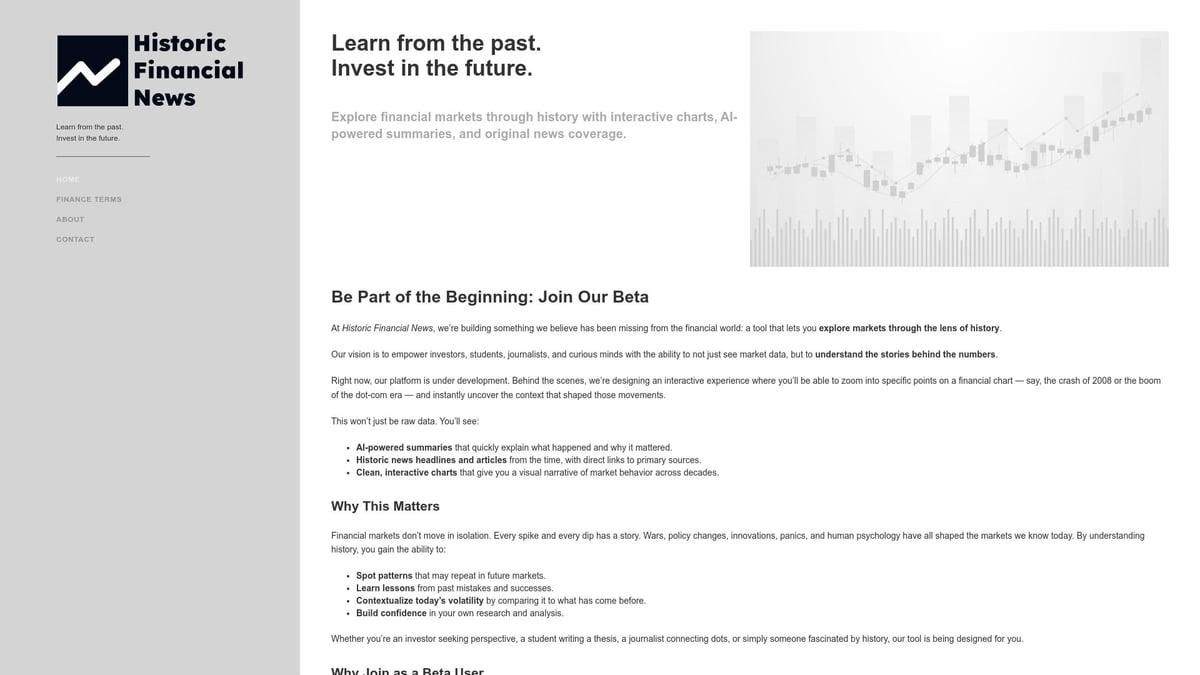
The platform provides original news coverage and access to primary sources, helping users identify historical patterns that often repeat. Investors, students, and journalists can leverage these insights to anticipate how the business cycle may unfold in 2026. By learning from earlier cycles, you can make more informed decisions and avoid common pitfalls.
Practical Steps for Individuals and Organizations
Building financial resilience is a priority as the business cycle evolves. Individuals should focus on strengthening emergency funds and managing debt to weather potential contractions. Upskilling and career planning can also provide a buffer against job market volatility.
Organizations can support employees through flexible work arrangements and by investing in talent development. Policy advocacy and community engagement help address broader economic challenges, ensuring a more stable environment for all stakeholders.
By taking these proactive steps, both individuals and businesses can adapt to the changing business cycle and position themselves for success in 2026.
The Global Dimension: Business Cycles Around the World
The business cycle does not operate in isolation within a single country. In today's interconnected world, economic fluctuations often ripple across borders, shaping outcomes for nations, industries, and individuals everywhere.
Synchronization and Divergence of Cycles
Global economies frequently experience synchronized movements in the business cycle, especially during major events. For instance, the 2008 global recession demonstrated how downturns in one region can cascade worldwide. International trade, capital flows, and tightly linked supply chains accelerate this process. However, cycles do not always align perfectly. Some regions may grow while others contract, depending on their exposure to global shocks and their unique economic structures.
The World Bank has documented instances where downturns were globally synchronized, as well as periods when only specific regions faced recessions. This highlights the complexity of the business cycle on a global scale.
Unique Regional Factors
Not all drivers of the business cycle are global. Emerging markets and developed economies often face distinct challenges. Commodity prices play a significant role in regions like Latin America, where a boom in raw materials can trigger rapid expansion, while price drops can cause sharp contractions. Exchange rates and political stability further influence regional cycles, sometimes leading to unique outcomes such as stagflation—a mix of high inflation and stagnant growth. To understand these dynamics, exploring Understanding stagflation in cycles offers valuable insight into how such phenomena can impact specific economies.
Europe, for example, has faced debt crises that triggered downturns, even when other parts of the world were recovering. These variations show that the business cycle is shaped both by global trends and local factors.
Implications for Multinational Businesses and Investors
Multinational businesses and global investors must pay close attention to the business cycle in each region where they operate. Currency risk, cross-border investment challenges, and the need to adapt strategies to different economic environments are constant considerations. Monitoring multiple economies allows organizations to anticipate risks and seize opportunities, especially when cycles diverge.
Diversifying portfolios across regions is a common approach to offsetting business cycle risks. By understanding global and local fluctuations, decision-makers can better navigate uncertainty and position themselves for long-term success.
As you’ve seen, understanding the business cycle is key to making smarter financial decisions—whether you’re an investor, a student, or simply curious about how economic ups and downs shape our world. If you want to dig even deeper and see how past cycles can shed light on what’s ahead for 2026, I invite you to experience our new platform firsthand. With interactive charts and AI-powered summaries, you can turn financial history into real insight for your future. Join Our Beta and help us bring a new perspective to navigating economic change.